

Healing Foods for Seniors Post-Surgery Recovery

Recovering from surgery can be challenging for seniors. The body needs extra support to heal wounds, rebuild strength, and restore energy. What seniors eat plays a crucial role in speeding up recovery and reducing complications. Choosing the right foods can help the immune system, reduce inflammation, and promote tissue repair. This guide explores the best foods that support seniors in healing faster after surgery, with practical tips to include them in daily meals.

Why Nutrition Matters After Surgery for Seniors
Surgery puts stress on the body, triggering inflammation and increasing nutrient needs. Seniors often face slower healing due to age-related changes like reduced muscle mass, weaker immune response, and chronic conditions. Proper nutrition helps by:
Providing building blocks for tissue repair, such as protein and vitamins
Supporting immune function to fight infection
Reducing inflammation that can delay healing
Maintaining energy levels to aid mobility and rehabilitation
Without adequate nutrition, seniors risk complications like infections, delayed wound healing, and muscle loss. A well-planned diet tailored to recovery needs can make a significant difference.
Key Nutrients That Support Healing
Certain nutrients have been shown to play important roles in recovery after surgery. Including foods rich in these nutrients can help seniors heal faster.
Protein
Protein is essential for rebuilding tissues and producing enzymes and antibodies. Seniors should aim for lean sources such as:
Chicken, turkey, and lean cuts of beef or pork
Fish like salmon and tuna, which also provide omega-3 fatty acids
Eggs and low-fat dairy products
Plant-based proteins like beans, lentils, and tofu
A typical recommendation is 1.2 to 1.5 grams of protein per kilogram of body weight daily during recovery, but seniors should consult their healthcare provider for personalized advice.
Vitamin C
Vitamin C supports collagen formation, a key component of skin and connective tissue healing. It also boosts immune defense. Good sources include:
Citrus fruits like oranges, grapefruits, and lemons
Strawberries, kiwi, and pineapple
Bell peppers, broccoli, and Brussels sprouts
Tomatoes and leafy greens
Including a variety of these fruits and vegetables daily helps meet vitamin C needs.
Zinc
Zinc plays a role in cell growth and immune function. Deficiency can slow wound healing. Foods rich in zinc include:
Meat and poultry
Shellfish such as oysters and crab
Nuts and seeds like pumpkin seeds and cashews
Whole grains and legumes
Omega-3 Fatty Acids
Omega-3s reduce inflammation and may improve recovery outcomes. Sources include:
Fatty fish such as salmon, mackerel, and sardines
Flaxseeds and chia seeds
Walnuts
Hydration
Adequate fluid intake supports circulation and nutrient transport. Seniors should drink water regularly and include hydrating foods like cucumbers, watermelon, and soups.
Foods to Include for Faster Recovery
Here are practical examples of foods and meals that combine these nutrients effectively.
Breakfast Ideas
Greek yogurt with fresh berries and a sprinkle of flaxseeds
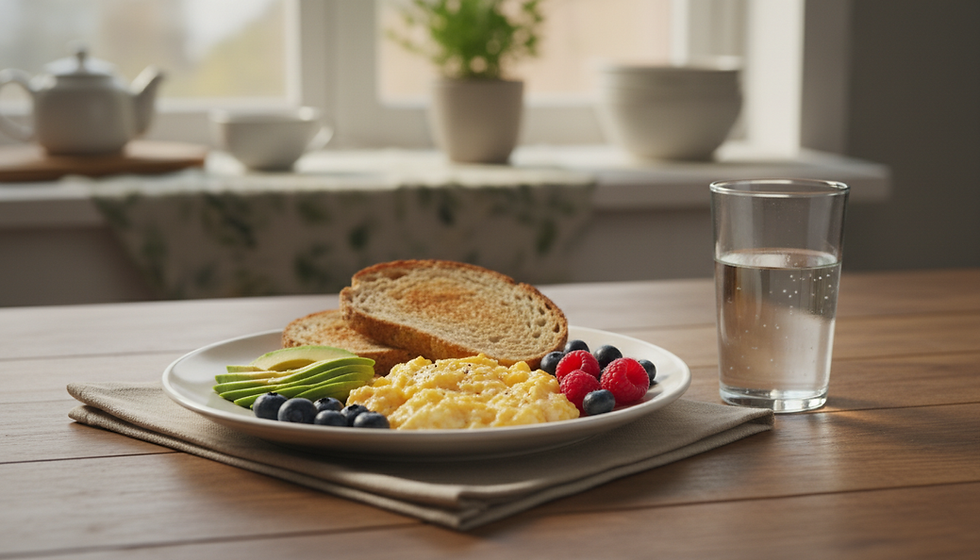
Scrambled eggs with spinach and whole-grain toast
Oatmeal topped with chopped nuts and sliced kiwi
Lunch and Dinner Options
Grilled salmon with steamed broccoli and quinoa
Chicken stir-fry with colorful bell peppers and brown rice
Lentil soup with carrots, tomatoes, and kale
Snacks That Help
Orange slices with a handful of almonds
Cottage cheese with pineapple chunks
Hummus with sliced cucumbers and cherry tomatoes
Foods to Avoid or Limit
Certain foods can slow healing or increase inflammation. Seniors recovering from surgery should limit:
Processed and fried foods high in unhealthy fats
Sugary snacks and beverages that can impair immune function
Excessive salt, which may cause fluid retention and high blood pressure
Alcohol, which can interfere with medications and delay recovery
Tips for Encouraging Healthy Eating in Seniors
Sometimes seniors face challenges like reduced appetite, chewing difficulties, or medication side effects. Here are ways to support good nutrition:
Offer small, frequent meals instead of large portions
Prepare soft, easy-to-chew foods if needed
Use herbs and spices to enhance flavor without extra salt
Encourage hydration with water, herbal teas, or broths
Involve seniors in meal planning to include their preferences
When to Consult a Healthcare Professional
If a senior has specific dietary restrictions, chronic illnesses, or complications after surgery, a registered dietitian or doctor can provide tailored nutrition plans. They can also recommend supplements if food intake is insufficient.


Comments