

Role of Family in Successful Home Care Recovery

The Role of Family in Successful Home Care Recovery at home after an illness or surgery can be challenging for seniors. The presence and active involvement of family members play a crucial role in making this process smoother and more effective. When family supports a senior during home care recovery, it boosts their confidence, emotional well-being, and physical healing. This blog explores how family involvement enhances recovery outcomes and creates a nurturing environment for seniors.

How Family Support Improves Physical Recovery
Family members often become informal caregivers who help seniors follow their care routines. These routines include taking medications on time, eating nutritious meals, staying hydrated, and getting enough rest. When family members encourage and remind seniors about these tasks, it reduces the risk of missed doses or poor nutrition, which can slow recovery.
For example, a daughter might prepare meals that meet dietary restrictions or a son might help with gentle exercises recommended by a physical therapist. These small but consistent actions help seniors regain strength faster and avoid complications like dehydration or infections.
Family also assists with mobility, which is vital for preventing muscle loss and improving circulation. Helping a senior move safely around the house or assisting with walking supports physical healing and reduces the chance of falls.
Emotional Benefits of Family Involvement
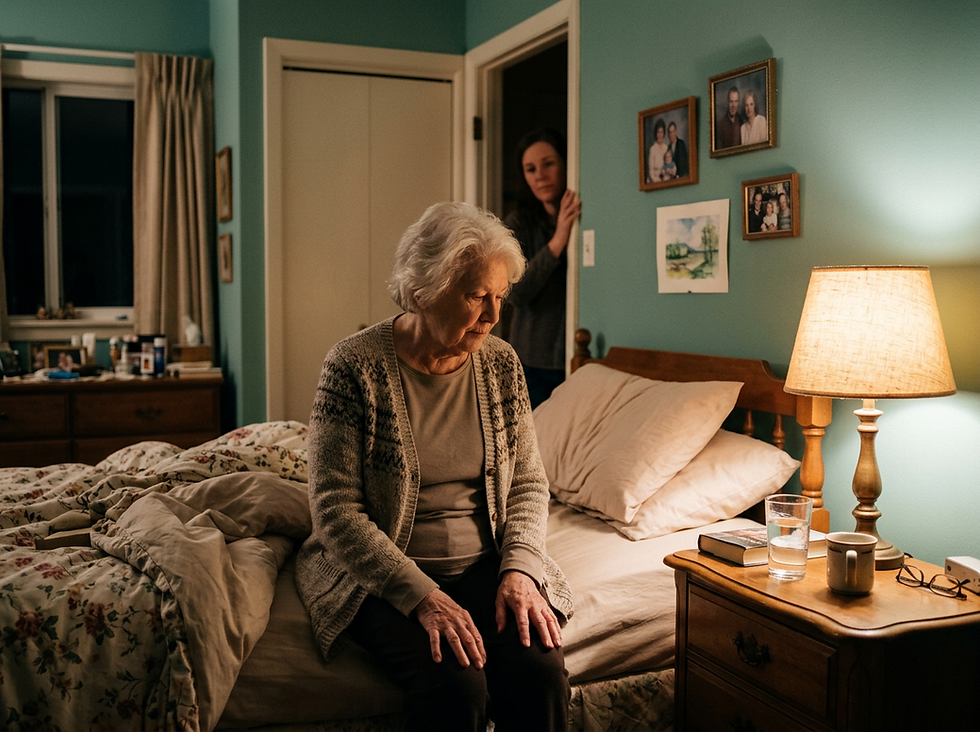
Recovery is not just physical; emotional health plays a big part in healing. Seniors often feel isolated or anxious during recovery, especially if they live alone. Family presence provides companionship, reducing feelings of loneliness and stress.
Simple conversations, shared activities, or just sitting together can lift a senior’s mood. Positive encouragement from loved ones builds confidence and motivation to stick with recovery plans. This emotional support helps seniors feel secure and cared for, which can speed up healing.
For instance, a spouse or child who listens patiently to concerns or celebrates small milestones makes the recovery journey less daunting. This emotional bond creates a safe space where seniors can express fears and receive reassurance.

How Family and Professional Care Work Together
Professional home care providers bring medical expertise and specialized skills to support seniors. When families stay involved, they complement this care by offering personalized attention and understanding of the senior’s habits and preferences.
For example, family members can share important information about the senior’s daily routines or emotional triggers with caregivers. This helps professionals tailor their approach, making care more effective and comfortable.
Coordinated communication between family and home care providers ensures that everyone is on the same page. It allows for quick adjustments if the senior’s condition changes or if new needs arise. This teamwork creates a holistic care environment that addresses both medical and emotional needs.
Practical Ways Families Can Support Recovery
Families can take several practical steps to support seniors during home care recovery:
Stay informed about the senior’s care plan and ask questions to understand their needs.
Encourage medication adherence by setting reminders or organizing pillboxes.
Prepare healthy meals that meet dietary guidelines.
Assist with mobility by helping seniors move safely or encouraging gentle exercises.
Monitor progress by noting changes in mood, appetite, or physical ability.
Provide emotional support through regular visits, phone calls, or shared activities.
Communicate openly with professional caregivers to coordinate care efforts.
These actions create a supportive environment that promotes healing and comfort.
Challenges Families May Face and How to Overcome Them
Supporting a senior in home care recovery can be demanding. Family members may feel overwhelmed balancing their own responsibilities with caregiving duties. It’s important to recognize these challenges and seek help when needed.
Families can:
Share caregiving tasks among relatives to reduce individual burden.
Use respite care services to take breaks and recharge.
Attend caregiver support groups to connect with others facing similar situations.
Educate themselves about the senior’s condition to feel more confident in providing care.
By addressing these challenges, families can maintain their involvement without burnout, ensuring sustained support for the senior.

The Impact of Family Involvement on Quality of Life
When family members actively participate in home care recovery, seniors experience a higher quality of life. They feel valued, understood, and less isolated. This emotional security encourages them to engage more fully in their recovery activities.
Research shows that seniors with strong family support have better health outcomes, fewer hospital readmissions, and improved mental health. The combination of professional care and family involvement creates a balanced approach that addresses all aspects of recovery.
Final Thoughts
Family involvement is a key ingredient in successful home care recovery for seniors. Their support strengthens care routines, provides emotional comfort, and helps coordinate with professional caregivers. This partnership creates a healing environment where seniors can regain independence and confidence.
If you are caring for a senior at home, consider how your presence and encouragement can make a difference. Small actions add up to meaningful support that speeds recovery and improves well-being. Working together with home care professionals ensures your loved one receives compassionate, comprehensive care in the comfort of home.


Comments