

Smart Homes for Seniors: How Technology Makes Aging at Home Safer

Understanding Smart Homes for Seniors: How Technology Makes Aging at Home Safer helps families see how innovative devices and caregiving support work together to protect seniors while preserving independence.
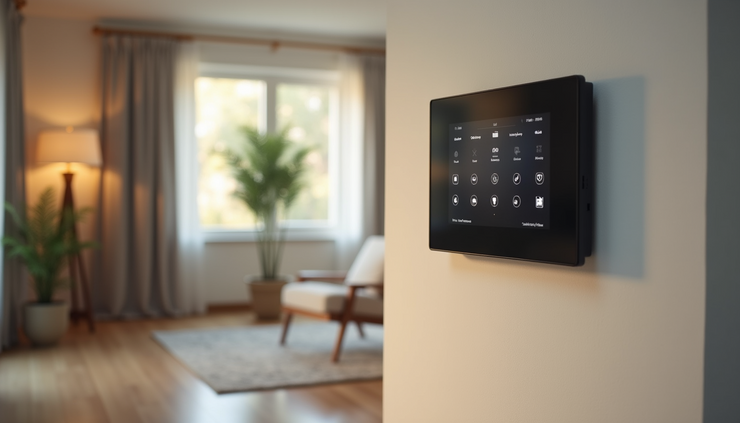
Aging at home offers comfort and familiarity, but it also brings safety concerns that many seniors and their families face daily. Modern technology provides practical solutions to these challenges, making it easier for older adults to live independently while staying safe. Smart home devices designed for seniors can detect falls, remind about medications, control lighting, and secure the home, all with minimal effort from the user. When combined with compassionate caregiving, these tools create a supportive environment that promotes confidence and peace of mind. Today’s smart home innovations clearly show why Smart Homes for Seniors: How Technology Makes Aging at Home Safer is becoming an important part of modern senior care.
.
How Smart Sensors Improve Safety
One of the biggest risks for seniors living alone is the possibility of falls or medical emergencies going unnoticed. Smart sensors placed throughout the home can detect unusual activity or lack of movement and send alerts to caregivers or family members. For example:
Fall detectors worn as pendants or wristbands can automatically notify emergency contacts if a fall occurs.
Motion sensors track daily movement patterns and alert if there is an unexpected lack of activity.
Door and window sensors notify when entrances are opened, helping prevent wandering or unauthorized access.
These devices provide a safety net without intruding on privacy, allowing seniors to maintain independence while ensuring help is available quickly when needed.
Voice-Controlled Assistants Make Daily Life Easier
Many seniors face mobility or vision challenges that make simple tasks difficult. Voice-activated assistants like Amazon Alexa or Google Home offer hands-free control over many home functions. Seniors can:
Turn lights on or off without getting up
Call for help or contact family members by voice
Set reminders for appointments or medication
Play music or listen to news and weather updates
These assistants reduce the need to move around unnecessarily and provide a sense of control over the environment. They also help seniors stay connected and engaged with the world.
Enhancing Security with Smart Locks and Video Doorbells
Security is a major concern for seniors aging at home. Smart locks allow remote control of door access, so family members or caregivers can let in trusted visitors without the senior needing to answer the door. Video doorbells provide a live view of who is outside, adding an extra layer of safety.
These technologies help prevent unwanted visitors and give seniors confidence that their home is secure. They also reduce the risk of accidents from rushing to the door or opening it to strangers.
Supporting Health and Routine with Medication Reminders
Managing medications can be confusing, especially for seniors with multiple prescriptions. Smart medication reminders and digital calendars help seniors stay on track by:
Sending alerts when it’s time to take medicine
Tracking doses to avoid missed or double doses
Providing easy-to-read schedules accessible via smartphone or voice assistant
Health-monitoring apps can also track vital signs or symptoms and share data with caregivers or healthcare providers. This support helps maintain health and reduces the risk of complications.

.
Combining Technology with Compassionate Caregiving
Technology alone cannot replace human support, but it can enhance caregiving efforts. MyHomeCare4Seniors in Dallas Fort Worth integrates smart home tools with personalized in-home care. Caregivers use technology to monitor safety and health while providing companionship and assistance tailored to each senior’s needs.
This combination allows seniors to enjoy the comfort of their own home with the reassurance that help is always nearby. Families gain peace of mind knowing their loved ones are supported by both technology and caring professionals.
Practical Steps to Create a Smart Home for Seniors
Creating a smart home for an aging adult does not require installing every device at once. Here are some practical steps to get started:
Assess needs and risks: Identify the senior’s specific challenges, such as fall risk, medication management, or security concerns.
Choose user-friendly devices: Select technology with simple interfaces and reliable customer support.
Start small: Begin with one or two devices, like a fall detector and voice assistant, then expand as comfort grows.
Involve the senior: Include them in decisions to ensure they feel comfortable and confident using the technology.
Integrate with caregiving: Coordinate with professional caregivers to monitor alerts and provide timely assistance.
By taking these steps, families can build a safer, more supportive home environment that respects independence.


Comments