

Foods to Avoid for Seniors with High Blood Pressure

High blood pressure, or hypertension, affects many seniors and can lead to serious health problems like heart disease and stroke. Managing blood pressure through diet is one of the most effective ways to reduce these risks. Certain foods can raise blood pressure or interfere with medications, so it is crucial for seniors to know which foods to avoid. This post explains key foods that seniors with high blood pressure should limit or eliminate to support better heart health.
Why Diet Matters for High Blood Pressure in Seniors
As we age, blood vessels become less flexible, and the risk of high blood pressure increases. Diet plays a major role in controlling blood pressure levels. Foods high in sodium, unhealthy fats, and added sugars can cause blood pressure to spike. For seniors, who often take medications for hypertension, eating the wrong foods can reduce medication effectiveness or worsen side effects.
A balanced diet low in salt and rich in fruits, vegetables, whole grains, and lean proteins helps maintain healthy blood pressure. Avoiding certain foods can prevent sudden increases in blood pressure and reduce the risk of complications.
Foods High in Sodium
Sodium is the main culprit in raising blood pressure. Most people consume far more sodium than recommended. The American Heart Association suggests no more than 1,500 mg of sodium per day for people with high blood pressure, but many seniors exceed this amount unknowingly.
Common High-Sodium Foods to Avoid
Processed and packaged foods: Frozen dinners, canned soups, and instant noodles often contain high sodium levels.
Cured meats: Bacon, sausage, deli meats, and ham are loaded with salt used for preservation.
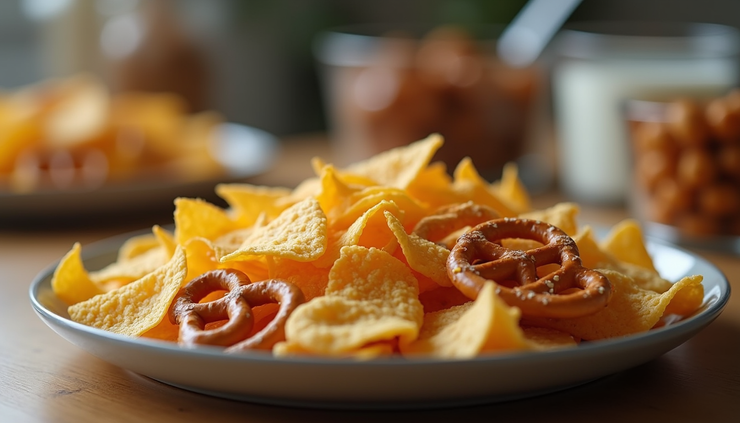
Snack foods: Potato chips, salted nuts, pretzels, and crackers add unnecessary sodium.
Restaurant and fast food: These meals tend to be very salty to enhance flavor.
Pickled and fermented foods: Pickles, sauerkraut, and olives contain brine with high salt content.
Reading nutrition labels carefully can help seniors avoid hidden sodium. Choosing fresh or frozen vegetables without added salt and cooking meals at home allows better control over sodium intake.
Foods High in Saturated and Trans Fats
Unhealthy fats contribute to clogged arteries and worsen blood pressure control. Seniors should limit foods high in saturated and trans fats to protect heart health.
Foods to Limit or Avoid
Fatty cuts of red meat: Beef, pork, and lamb with visible fat raise cholesterol and blood pressure.
Full-fat dairy products: Whole milk, butter, cream, and cheese contain saturated fats.
Fried foods: French fries, fried chicken, and doughnuts often contain trans fats.
Baked goods: Pastries, cookies, and cakes made with hydrogenated oils have trans fats.
Processed snacks: Some crackers and microwave popcorn contain unhealthy fats.
Replacing these with lean proteins like chicken breast, fish, and plant-based options, along with low-fat dairy, supports better blood pressure management.
Foods High in Added Sugars
Added sugars can increase blood pressure and contribute to weight gain, which further raises hypertension risk. Seniors should be cautious about sugar intake.
Examples of Sugary Foods to Avoid
Sugary drinks: Soda, sweetened teas, and fruit punches add empty calories and sugar.
Candy and sweets: Chocolates, candies, and sugary snacks spike blood sugar and blood pressure.
Sweetened cereals: Many breakfast cereals contain high sugar levels.
Desserts: Ice cream, cakes, and pies often have large amounts of added sugar.
Choosing water, unsweetened tea, and fresh fruit instead of sugary treats helps maintain stable blood pressure.
Alcohol and Caffeine
Both alcohol and caffeine can affect blood pressure. Seniors should limit alcohol to no more than one drink per day and monitor caffeine intake.
Alcohol: Excessive drinking raises blood pressure and interferes with medications.
Caffeine: Some people experience temporary blood pressure spikes after consuming coffee or energy drinks.
Discussing alcohol and caffeine use with a healthcare provider ensures safe consumption levels.
Foods That Interact with Blood Pressure Medications
Certain foods can interfere with how blood pressure medications work, making them less effective or causing side effects.
Grapefruit and Grapefruit Juice
Grapefruit can affect enzymes that break down some blood pressure drugs, leading to higher medication levels in the body. Seniors taking calcium channel blockers or statins should avoid grapefruit products.
Licorice
Natural licorice contains glycyrrhizin, which can raise blood pressure and counteract medication effects. Avoid licorice candy and supplements containing licorice root.
Tips for Healthy Eating with High Blood Pressure
Cook at home: Control ingredients and reduce salt.
Use herbs and spices: Flavor food without sodium.
Choose fresh produce: Fruits and vegetables are naturally low in sodium.
Read labels: Check for sodium, sugar, and unhealthy fats.
Stay hydrated: Drink plenty of water.
Plan meals: Avoid last-minute choices that may be unhealthy.
Final Thoughts
Managing high blood pressure doesn’t have to be complicated.
By avoiding the wrong foods and choosing healthier options, seniors can:
Improve heart health
Reduce health risks
Feel more energetic
Small dietary changes can lead to big health improvements
Need Help with Meal Planning for Seniors?
Call: 214-621-1969
Get a FREE consultation and personalized care support at home.



Comments