

Top 10 Foods for Seniors to Naturally Regulate Blood Sugar Levels

Managing blood sugar is a key concern for many seniors. As the body ages, it becomes harder to maintain stable glucose levels, which can increase the risk of diabetes and other health issues. Fortunately, certain foods can help regulate blood sugar naturally, supporting overall health and energy. This guide highlights ten foods that seniors can include in their diet to help keep blood sugar in check without relying solely on medication.

Why Blood Sugar Control Matters for Seniors
As people age, insulin sensitivity often decreases. This means the body’s ability to use insulin effectively diminishes, leading to higher blood sugar levels. Uncontrolled blood sugar can cause fatigue, blurred vision, nerve damage, and increase the risk of heart disease. Managing blood sugar through diet is a practical and natural way to reduce these risks.
Eating the right foods helps slow down sugar absorption, improve insulin response, and reduce inflammation. For seniors, this approach supports better energy levels and overall well-being.
1. Leafy Green Vegetables
Leafy greens like spinach, kale, and Swiss chard are packed with fiber, vitamins, and minerals. They have a low glycemic index, meaning they do not cause rapid spikes in blood sugar. Fiber slows digestion and sugar absorption, helping maintain steady glucose levels.
Tips for including leafy greens:
Add fresh spinach to smoothies or omelets.
Use kale in salads or lightly sauté it with garlic.
Mix Swiss chard into soups or stews.
2. Berries
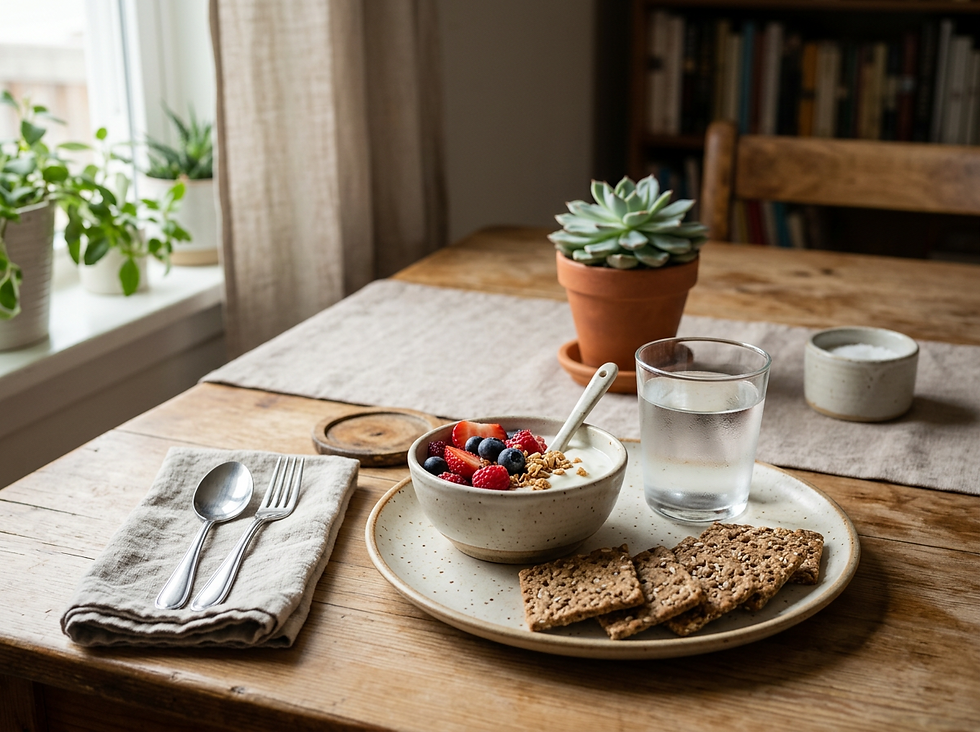
Berries such as blueberries, strawberries, and raspberries are rich in antioxidants and fiber. They provide natural sweetness without causing sharp blood sugar increases. Studies show that berries can improve insulin sensitivity and reduce inflammation.
Ways to enjoy berries:
Top yogurt or oatmeal with fresh berries.
Blend berries into smoothies.
Snack on a handful of mixed berries.
3. Whole Grains
Whole grains like oats, quinoa, and barley contain more fiber and nutrients than refined grains. Their complex carbohydrates digest slowly, preventing blood sugar spikes. Fiber also promotes gut health, which plays a role in blood sugar regulation.
Suggestions for whole grains:
Start the day with a bowl of steel-cut oats.
Use quinoa as a base for salads or side dishes.
Swap white rice for barley in recipes.
4. Nuts and Seeds
Almonds, walnuts, chia seeds, and flaxseeds provide healthy fats, protein, and fiber. These nutrients help slow carbohydrate absorption and improve blood sugar control. Nuts also contain magnesium, which supports insulin function.
How to add nuts and seeds:
Sprinkle chia or flaxseeds on cereal or yogurt.
Snack on a small handful of almonds or walnuts.
Use nut butters as a spread on whole-grain toast.
5. Legumes
Beans, lentils, and chickpeas are excellent sources of plant-based protein and fiber. Their low glycemic index means they release sugar slowly into the bloodstream. Regular consumption of legumes has been linked to better blood sugar management.
Ideas for legumes:
Add lentils to soups and stews.
Make hummus from chickpeas for a healthy dip.
Include black beans in salads or chili.
6. Fatty Fish
Fatty fish like salmon, mackerel, and sardines are rich in omega-3 fatty acids. These fats reduce inflammation and may improve insulin sensitivity. Including fish in meals supports heart health, which is important for seniors managing blood sugar.
Ways to enjoy fatty fish:
Grill or bake salmon with herbs and lemon.
Add sardines to salads or whole-grain crackers.
Include mackerel in pasta dishes or sandwiches.
7. Greek Yogurt
Greek yogurt contains probiotics, protein, and less sugar than regular yogurt. Probiotics support gut health, which influences blood sugar regulation. The protein content helps keep blood sugar stable by slowing digestion.
Tips for Greek yogurt:
Choose plain, unsweetened varieties.
Add fresh fruit or a drizzle of honey for flavor.
Use Greek yogurt as a base for smoothies or dressings.
8. Cinnamon
Cinnamon is a spice that may help improve insulin sensitivity and lower blood sugar levels. Adding cinnamon to meals can provide flavor without extra calories or sugar.
Ways to use cinnamon:
Sprinkle on oatmeal or cereal.
Add to coffee or tea.
Mix into baked goods or smoothies.
9. Avocados
Avocados are high in healthy monounsaturated fats and fiber. These nutrients slow digestion and reduce blood sugar spikes. Avocados also provide potassium, which supports heart and muscle function.
Ideas for avocados:
Spread mashed avocado on whole-grain toast.
Add slices to salads or sandwiches.
Blend into smoothies for creaminess.
10. Sweet Potatoes
Sweet potatoes have a lower glycemic index than regular potatoes. They provide fiber, vitamins, and antioxidants that support blood sugar control. Their natural sweetness satisfies cravings without causing rapid sugar spikes.
How to prepare sweet potatoes:
Bake or roast with a sprinkle of cinnamon.
Mash as a side dish instead of white potatoes.
Add cubes to soups or stews.
Eating a variety of these foods can help seniors maintain balanced blood sugar levels naturally. Combining them with regular physical activity and proper hydration enhances their benefits. Always consult a healthcare provider before making major dietary changes, especially if managing diabetes or other health conditions.
Final Thoughts
Managing blood sugar naturally starts with smart food choices and healthy daily habits.
Foods like oatmeal, leafy greens, berries, fish, beans, and nuts can help support stable blood sugar levels while providing important nutrients that promote healthy aging.
When combined with regular activity, hydration, and proper medical care, these foods can help seniors maintain better health and enjoy a more active lifestyle.
Looking for In-Home Support for Senior Nutrition and Wellness?
At My Home Care for Seniors, we help older adults maintain healthy routines, balanced nutrition, and independent living in the comfort of home.
Call: 214-621-1969


Comments