

Top Nutrient-Packed Foods for Seniors to Boost Strength and Vitality
- HC4S

- Mar 24
- 3 min read

Maintaining strength and vitality becomes more important as we age. Seniors often face challenges like muscle loss, decreased energy, and weaker bones. Eating the right foods can help counter these effects and support a healthy, active lifestyle. This guide highlights some of the best healthy foods for seniors to stay strong and active, focusing on nutrient-rich options that provide essential vitamins, minerals, and proteins.
Protein-Rich Foods to Support Muscle Health
Protein plays a key role in maintaining muscle mass and strength. Seniors need adequate protein to repair tissues and support immune function. Here are some excellent protein sources:
Lean meats: Chicken, turkey, and lean cuts of beef provide high-quality protein without excess fat.
Fish: Salmon, mackerel, and sardines are rich in protein and omega-3 fatty acids, which reduce inflammation and support heart health.
Eggs: A versatile and affordable source of protein, eggs also contain important nutrients like vitamin D and choline.
Legumes: Beans, lentils, and chickpeas offer plant-based protein and fiber, which help digestion and blood sugar control.
Dairy or dairy alternatives: Yogurt, milk, and cheese provide protein and calcium, essential for bone strength.
Including a variety of these protein sources in daily meals helps seniors maintain muscle mass and stay physically active.
Foods High in Calcium and Vitamin D for Bone Strength
Bone density decreases with age, increasing the risk of fractures. Calcium and vitamin D are critical for keeping bones strong.
Dairy products: Milk, cheese, and yogurt are rich in calcium.
Leafy greens: Kale, spinach, and collard greens provide calcium and other minerals.
Fortified foods: Some cereals, orange juice, and plant-based milks are fortified with calcium and vitamin D.
Fatty fish: Salmon and sardines contain vitamin D and calcium.
Egg yolks: A natural source of vitamin D.
Seniors should aim to include these foods regularly and consider safe sun exposure to boost vitamin D levels.
Colorful Fruits and Vegetables for Antioxidants and Fiber
Fruits and vegetables provide antioxidants that protect cells from damage and fiber that supports digestion and heart health.
Berries: Blueberries, strawberries, and raspberries are packed with antioxidants.
Cruciferous vegetables: Broccoli, cauliflower, and Brussels sprouts offer vitamins C and K.
Carrots and sweet potatoes: Rich in beta-carotene, which the body converts to vitamin A.
Tomatoes: Contain lycopene, an antioxidant linked to reduced risk of chronic diseases.
Citrus fruits: Oranges, grapefruits, and lemons provide vitamin C.
Eating a rainbow of fruits and vegetables ensures a wide range of nutrients that support overall health.
Whole Grains for Energy and Heart Health
Whole grains provide complex carbohydrates for sustained energy and fiber for heart and digestive health.
Oats: Contain beta-glucan fiber, which helps lower cholesterol.
Brown rice: A good source of magnesium and B vitamins.
Quinoa: A complete protein grain with fiber and minerals.
Whole wheat bread and pasta: Provide fiber and essential nutrients.
Replacing refined grains with whole grains can improve energy levels and reduce the risk of heart disease.
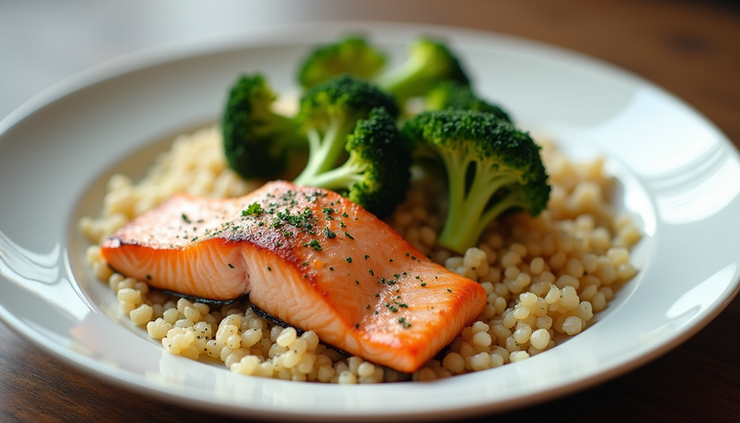
Healthy Fats for Brain and Heart Health
Healthy fats support brain function, reduce inflammation, and protect the heart.
Nuts and seeds: Almonds, walnuts, flaxseeds, and chia seeds provide omega-3 fatty acids and vitamin E.
Avocados: Contain monounsaturated fats and potassium.
Olive oil: A staple of the Mediterranean diet, rich in antioxidants.
Fatty fish: Salmon and mackerel are excellent sources of omega-3s.
Including these fats in moderation helps maintain cognitive function and cardiovascular health.
Hydration and Its Role in Vitality
Staying hydrated is often overlooked but essential for seniors. Dehydration can cause fatigue, confusion, and kidney problems.
Drink water regularly throughout the day.
Include hydrating foods like cucumbers, watermelon, and oranges.
Limit caffeine and alcohol, which can dehydrate.
Proper hydration supports energy, digestion, and overall well-being.
Practical Tips for Healthy Eating in Seniors
Plan balanced meals with protein, vegetables, whole grains, and healthy fats.
Snack smart with nuts, yogurt, or fruit.
Cook at home to control ingredients and portion sizes.
Consult a healthcare provider or dietitian for personalized advice, especially if managing chronic conditions.
Eating nutrient-packed foods helps seniors maintain strength and vitality, supporting an active and fulfilling life.


Comments