

11 Healthy Snacks for Seniors to Enjoy Between Meals

Hunger between meals is common, especially when meals are smaller, appetite changes, or medication affects timing. The right snack can do more than quiet a rumbling stomach. It can add protein, fiber, fluid, calcium, and steady energy.
The best choices are easy to prepare, gentle to chew, and satisfying without being overly salty or sugary. These healthy snacks for seniors work well for everyday eating, with simple swaps for different tastes and needs.
This article is informational only and is not a substitute for medical advice. Anyone managing diabetes, kidney disease, swallowing concerns, food allergies, or a special diet should follow guidance from a health care professional.

1. Greek Yogurt With Berries
Greek yogurt is rich in protein and has a smooth texture, which makes it a practical snack for many older adults. Berries add natural sweetness, color, and fiber.
Choose plain yogurt when possible, then add fruit, cinnamon, or a small drizzle of honey if needed. For a softer texture, use thawed frozen berries and stir them in.
Practical tip: Pick yogurt with live cultures and no large fruit chunks if chewing or swallowing is difficult.
2. Apple Slices With Peanut Butter
Apple slices and peanut butter offer a mix of fiber, healthy fat, and protein. That combination helps the snack feel more filling than fruit alone.
Thinly sliced apples are easier to chew. If raw apples are too firm, try unsweetened applesauce with a spoonful of peanut butter stirred in.
Practical tip: Use natural peanut butter with little or no added sugar, and spread it thinly to make swallowing easier.
3. Cottage Cheese With Peaches
Cottage cheese is soft, high in protein, and easy to pair with fruit. Peaches, pears, or pineapple add sweetness without needing dessert.
For people watching sodium, look for low-sodium cottage cheese. If the curds feel too firm, blend cottage cheese until smooth.
Practical tip: Canned fruit packed in juice, not syrup, is a pantry-friendly option.
4. Hard-Boiled Eggs
Hard-boiled eggs are convenient and nutrient-dense. They provide protein, vitamin B12, and healthy fats in a small portion.
They can be prepared ahead and kept in the refrigerator for quick snacks. Add a little pepper, paprika, or a small spoonful of hummus for flavor.
Practical tip: Chop the egg and mix it with plain yogurt or avocado for a softer egg salad.

5. Hummus With Soft Vegetables
Hummus is made from chickpeas, tahini, olive oil, and seasonings. It brings fiber and plant-based protein to snack time.
Pair it with cucumber rounds, steamed carrot sticks, soft pita wedges, or whole grain crackers. Raw carrots may be too hard for some people, so steaming them lightly can help.
Practical tip: Choose low-sodium hummus or make a simple version at home if salt intake matters.
6. Oatmeal in a Small Bowl
Oatmeal is not only for breakfast. A small bowl can be a warm, comforting snack between meals.
Oats provide soluble fiber, which supports fullness. Add milk for protein and calcium, then top with banana slices, cinnamon, or chopped nuts if tolerated.
Practical tip: For a smoother bowl, cook oats longer and add extra milk.
7. Cheese and Whole Grain Crackers
Cheese with whole grain crackers is quick, satisfying, and easy to portion. Cheese adds protein and calcium, while crackers add crunch and carbohydrates.
This snack can be helpful when appetite is low because a small amount still feels substantial. Choose lower-sodium crackers and cheese if needed.
Practical tip: Add grape halves or soft pear slices for freshness.
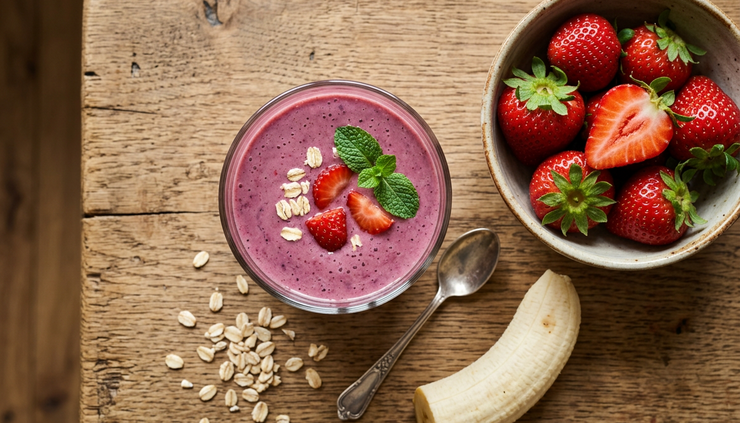
8. Smoothies With Fruit and Protein
Smoothies are useful when chewing is hard or appetite is low. They can include fruit, yogurt, milk, nut butter, or protein powder if recommended by a clinician.
A simple blend could include banana, plain yogurt, frozen berries, and milk. Keep portions moderate, since smoothies can become high in sugar when they include too much fruit juice.
Practical tip: Use milk or unsweetened soy milk instead of juice for more protein.
9. Avocado Toast on Whole Grain Bread
Avocado toast is soft, flavorful, and full of healthy fats. Whole grain bread adds fiber, while avocado brings creaminess and calories in a nutrient-rich form.
For extra protein, top it with egg, cottage cheese, or a sprinkle of hemp seeds. If toast is too crisp, use soft whole grain bread instead.
Practical tip: Mash avocado with lemon juice to keep it bright and add flavor without much salt.
10. Trail Mix With Nuts and Dried Fruit
Trail mix can be a good snack for people who need calorie-dense foods in small portions. Nuts offer healthy fats and protein, while dried fruit adds sweetness.
Keep portions small, since trail mix is easy to overeat. For easier chewing, choose softer nuts like cashews or use chopped nuts.
Practical tip: Avoid mixes with lots of candy pieces or heavily salted nuts.
11. Soup in a Mug
A warm mug of soup can be soothing and hydrating. It is also a smart way to add vegetables, beans, lentils, or lean protein between meals.
Low-sodium vegetable soup, lentil soup, chicken noodle soup, or blended butternut squash soup can all work well. Blended soups are especially helpful for people who prefer softer textures.
Practical tip: Keep single portions in the freezer for quick reheating.

How to Make Snack Time Easier
A little planning makes between-meal snacks more useful and less stressful. Keep a few ready-to-eat choices in the refrigerator and pantry so hunger does not lead to skipping food or grabbing sweets.
Good snack planning often includes:
Protein Yogurt, eggs, cheese, hummus, cottage cheese, or nut butter
Fiber Fruit, oats, vegetables, beans, or whole grains
Fluids Soup, smoothies, milk, herbal tea, or water-rich fruit
Easy texture Soft, moist, chopped, blended, or cooked foods when needed
Small snacks can support energy, comfort, and better nutrition throughout the day. Start with two or three favorites from this list, keep portions simple, and adjust textures and flavors to match individual needs.



Comments