

7 Warning Signs a Senior May Need Overnight Care

Night can change everything. A parent who manages well during the day may become confused after sunset. A spouse who seems steady at breakfast may be at risk for falls at 2 a.m. A loved one who insists “I’m fine” may still be facing problems that only show up when the house is quiet.
Overnight care does not mean a senior has lost all independence. It means the nighttime hours have become too risky, stressful, or unpredictable to manage without support.
This guide covers the most common signs that a senior may need help overnight, what each sign can look like in real life, and what to do next. This is informational only and is not a substitute for medical advice. If symptoms change suddenly, contact a health care professional.
1. Wandering or trying to leave the home at night
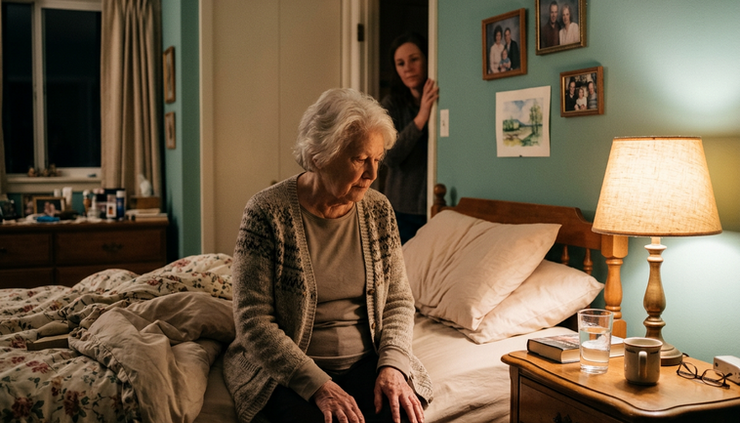
Wandering is one of the clearest signs that nighttime support may be needed. It can happen for many reasons, including dementia, sleep disturbance, medication side effects, anxiety, or a need to use the bathroom.
A senior may:
Get dressed in the middle of the night and say they are “going home”
Open exterior doors without realizing the danger
Walk outside in unsafe weather
Become lost inside the home
Look for a person, pet, or place that is not there
Even one nighttime wandering episode deserves attention. A person can fall, become locked out, walk into traffic, or suffer from cold or heat exposure before anyone wakes up.
The risk rises when wandering is paired with confusion. For example, a senior may believe it is morning when it is still dark, or may not recognize their own bedroom.
Practical next step
Start tracking when wandering happens. Note the time, what the senior says, whether they seem afraid, and what happened earlier that evening. Share this with a physician, especially if the behavior is new or increasing.
Simple safety changes can help, such as motion lights, door alarms, clear pathways, and a calm bedtime routine. But if someone is actively trying to leave the home at night, supervision may be needed.
2. Frequent falls or near falls after bedtime
Falls are a major concern for older adults, and nighttime falls can be especially dangerous. The room is darker. The person may be sleepy. Glasses, walkers, or hearing aids may be out of reach.
A fall risk may show up as:
Bruises with unclear explanations
Furniture being used for balance
Trouble getting in and out of bed
Rushing to the bathroom at night
Dizziness when standing
A walker or cane left behind
Near falls matter too. If a senior catches themselves on a wall, grabs a dresser, or says they “almost went down,” treat it as a warning.
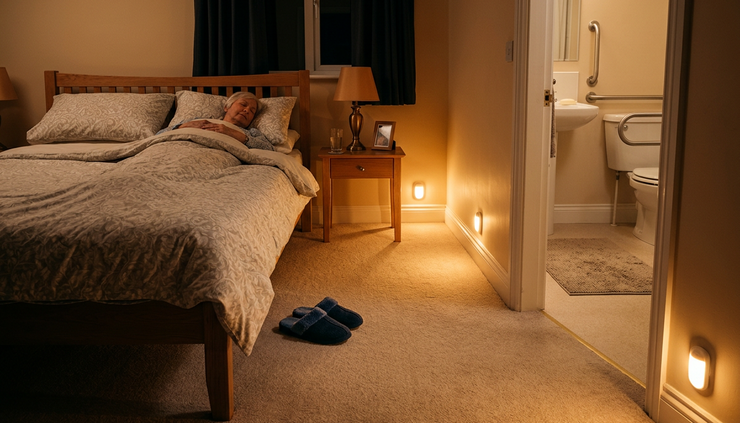
Nighttime falls often happen during bathroom trips. A senior may wake up with urgency, move too fast, and forget to turn on lights. They may also trip over rugs, cords, pets, or bedding.
Practical next step
Look at the path from bed to bathroom. Remove clutter, secure rugs, add nightlights, and make sure mobility aids are within arm’s reach. A bedside commode may help some people, but it should be discussed with a care professional when balance, dignity, and infection control are concerns.
If falls keep happening even after home changes, a senior may need someone awake or available overnight.
3. Confusion, agitation, or fear that gets worse in the evening
Some seniors become more confused or unsettled later in the day. This is often called sundowning, especially when it happens in people with dementia. It may include restlessness, suspicion, pacing, irritability, or fear.
A senior may say things like:
“Where am I?”
“Someone is in the house.”
“I need to get to work.”
“My parents are waiting for me.”
“You’re keeping me here.”
These moments can be heartbreaking. They can also become unsafe if the person tries to leave, refuses help, becomes aggressive, or cannot be comforted.
Evening confusion may be made worse by fatigue, pain, hunger, dehydration, poor lighting, noise, infection, or medication timing. A urinary tract infection, for example, can cause sudden confusion in older adults and should be checked promptly.
Practical next step
Create a quieter evening routine. Lower noise, reduce clutter, use warm lighting, and avoid major changes close to bedtime. Keep familiar objects nearby, such as a favorite blanket, clock, family photo, or nightstand item.
If agitation creates safety concerns, overnight care can provide calm redirection before a situation escalates.
4. Medication mistakes are happening at night or early morning
Many seniors take several medications, and some must be taken at specific times. Problems can happen when a person wakes during the night, forgets they already took a dose, or takes the wrong pill while half asleep.
Warning signs include:
Pills missing from the wrong compartment
Extra pills left over at the end of the week
Confusion about morning versus evening medications
Drowsiness, dizziness, or unusual behavior after taking medicine
Repeated calls asking, “Did I take my pills?”
Medication mistakes can affect blood pressure, blood sugar, sleep, pain, and mood. Some errors are minor, but others can become serious quickly.
This concern is especially important when the senior takes insulin, blood thinners, heart medication, sedatives, pain medication, or drugs that increase fall risk.
Practical next step
Ask a pharmacist or physician to review the medication list. Sometimes timing can be adjusted, duplicate medications can be removed, or safer routines can be set up.
Pill organizers, locked dispensers, and written schedules may help. But if mistakes continue, especially overnight or before dawn, a caregiver may need to monitor or assist.

5. Toileting problems are disrupting sleep or creating safety risks
Nighttime bathroom needs can become a major reason for care. Some seniors wake often to urinate. Others struggle with incontinence, constipation, diarrhea, or difficulty transferring on and off the toilet.
The issue is not only cleanliness. It can affect skin health, dignity, sleep, infection risk, and fall risk.
Signs to watch for include:
Wet bedding or clothing in the morning
Strong urine odors in the bedroom or bathroom
A senior avoiding fluids out of fear of accidents
Rushed trips to the bathroom
Trouble cleaning up after an accident
Skin redness, irritation, or sores
Shame, withdrawal, or refusal to discuss the issue
Toileting problems are often underreported because people feel embarrassed. A senior may hide soiled clothes, deny accidents, or avoid overnight visits with family.
Practical next step
Approach the topic gently and privately. Focus on comfort and safety, not blame. A doctor can check for treatable causes such as infection, medication effects, prostate issues, constipation, or diabetes-related changes.
Absorbent products, waterproof bedding, scheduled bathroom trips, and easier clothing can help. If a senior needs physical help getting to the bathroom or cleaning up, overnight care may protect both safety and dignity.
6. The senior cannot respond safely to an emergency
A senior living alone, or sleeping in a separate room from a caregiver, needs to be able to respond if something goes wrong. That includes smoke alarms, severe weather alerts, power outages, medical symptoms, or a phone call for help.
Warning signs include:
Sleeping through alarms or phone calls
Not knowing how to call 911
Forgetting to wear a medical alert device
Leaving the stove, water, or space heater on
Becoming confused during unexpected events
Not being able to unlock the door for help
Unable to explain symptoms clearly
The question is not only, “Can they live alone during the day?” Night brings different demands. A person may manage lunch, laundry, and conversation just fine, yet be unable to react safely during a 3 a.m. emergency.
Practical next step
Test the safety plan in a respectful way. Ask questions such as, “What would you do if the smoke alarm went off at night?” or “How would you call for help if you fell beside the bed?”
If the answers are unclear, or if the senior becomes anxious or confused, the nighttime plan may need to change.
7. Family caregivers are exhausted or no longer sleeping
A senior’s needs matter, and so does the caregiver’s health. When family members stop sleeping because they are listening for movement, checking the bathroom, or responding to repeated calls, the whole care situation can become fragile.
Caregiver exhaustion can look like:
Waking several times every night
Feeling worried even when nothing happens
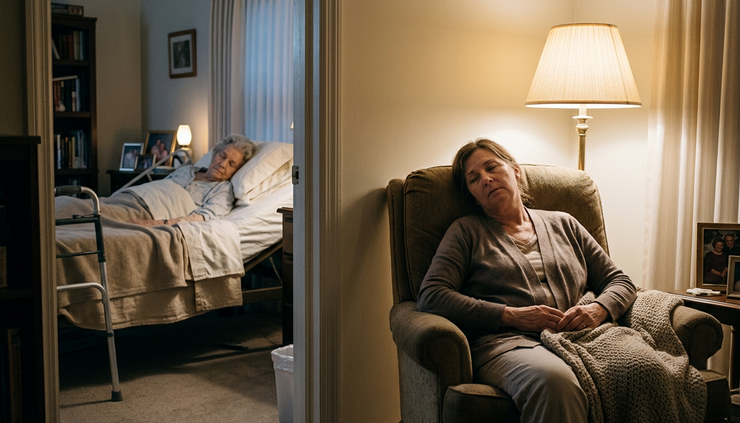
Sleeping in a chair or on a couch to stay alert
Feeling irritable, tearful, or numb
Making mistakes at work or while driving
Resenting the person they love, then feeling guilty
Getting sick more often
This is one of the most overlooked signs. Families often wait until they are at a breaking point before asking for help.
Overnight support is not a failure. It can be the difference between a care plan that lasts and one that collapses.
A rested caregiver can be more patient, safer, and more present during the day. In many homes, overnight help allows a loved one to remain at home longer.
What overnight care can include
Overnight care can look different depending on the person’s needs. Some seniors need a caregiver who stays awake all night. Others need someone present in the home who can respond when needed.
Common support may include:
Helping with bathroom trips
Preventing wandering
Assisting with transfers in and out of bed
Offering reassurance during confusion or anxiety
Monitoring for pain, breathing changes, or distress
Helping with approved medication routines
Changing bedding or clothing after accidents
Supporting a safe morning routine
Families should ask clear questions before choosing care. Will the caregiver remain awake? What tasks can they perform? What happens in an emergency? How are changes documented? Does the senior need medical home health services rather than non-medical care?
Those details matter because “overnight care” can mean different things across agencies and care settings.
How to decide if it is time
A helpful way to think about nighttime care is to look for patterns, risk, and burden.
Ask these questions:
Has there been a nighttime fall, wandering episode, or scare?
Are symptoms getting worse after sunset?
Does the senior need hands-on help at night?
Are medication or toileting issues creating danger?
Can the senior respond to an emergency?
Is the family caregiver losing sleep most nights?
Would one more bad night create a crisis?
If the answer to several questions is yes, it may be time to talk with a physician, care manager, or trusted home care provider. A medical review can rule out treatable causes. A home safety review can reduce hazards. A care plan can match support to the actual level of need.
Start with a short trial if that feels easier. A few nights of help can reveal whether the senior sleeps better, whether family stress drops, and whether the home feels safer.
The best time to plan is before a crisis
Many families wait for a major fall, a hospital visit, or a frightening wandering incident before making changes. That is understandable. These decisions are emotional, and seniors may resist help because they fear losing control.
Still, earlier planning gives everyone more choices.
Talk about nighttime care in terms of safety, comfort, and staying at home. Use specific examples rather than broad statements. “You got up four times last night and almost fell near the bathroom” is clearer than “You can’t be alone anymore.”
The goal is not to take over. The goal is to make the night safer for the senior and more manageable for the people who care about them.
If any of these seven warning signs are showing up, pay attention. A safer night can bring better days for everyone in the home.


Comments