

Senior Fall Prevention 10 Simple Everyday Changes to Improve Safety

A fall can happen in a second, but many fall risks build up slowly: a rug that slides, a hallway that stays dim, a shower floor that gets slick, or shoes that no longer fit well. The good news is that safer daily routines do not always require a major renovation or expensive equipment.
Senior fall prevention often starts with small changes that make the home easier to move through and the body better prepared for everyday tasks. These steps are practical, low-stress, and useful for older adults who live alone, live with family, or receive support from a caregiver.
This article is for general information only and is not a substitute for medical advice. A doctor, physical therapist, occupational therapist, or pharmacist can help match fall prevention steps to a person’s health, medications, mobility, and home setup.
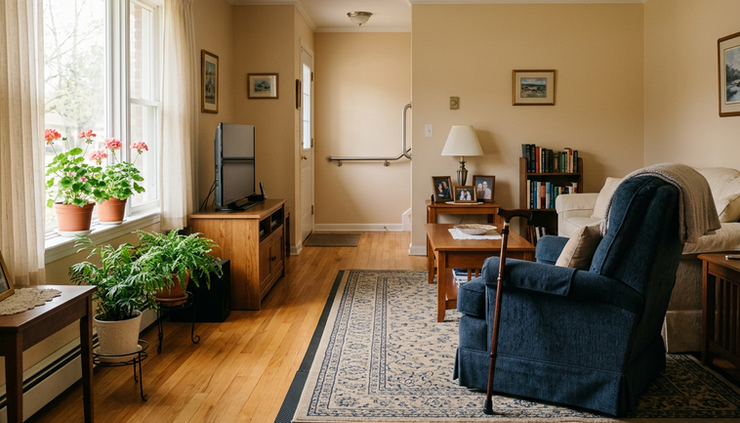
1. Clear the floors and keep walkways open
The simplest safety change is also one of the most effective. Clear walkways reduce the chance of tripping during normal movement, especially when someone is carrying laundry, answering the door, or walking at night.
Focus on high-traffic areas first:
Bedroom to bathroom
Front door to living room
Kitchen paths
Hallways
Stairs and landings
Move shoes, bags, pet toys, electrical cords, and small tables out of walking areas. If furniture blocks a path, rearrange it so there is enough space to walk without turning sideways.
A good test is simple: walk the usual route with a laundry basket. If it feels tight or awkward, the path needs more room.
2. Improve lighting in the places people actually walk
Dim lighting makes it harder to see steps, rug edges, thresholds, and objects on the floor. Better lighting does not mean every room has to be bright all day. It means the right areas should be easy to see when they are used.
Add light where falls are more likely to happen:
Hallways
Stairways
Bathroom entrances
Bedroom paths
Entryways
Kitchen work areas
Motion-sensor night lights can help with late-night bathroom trips. Lamps near beds and chairs should be easy to reach without stretching. Light switches should be visible and simple to use.
If glare is a problem, choose soft, warm bulbs and lampshades that spread light evenly. Good lighting should reveal obstacles without creating harsh shadows.
3. Secure or remove loose rugs
Throw rugs can make a room feel cozy, but they can also catch a toe, slide on smooth flooring, or curl at the corners. That makes them a common home hazard.
The safest choice is often to remove small loose rugs, especially in hallways, bathrooms, and near stairways. If a rug stays, secure it with a non-slip backing or rug tape designed for the floor type.
Check rugs regularly. A rug that was secure last month may loosen after cleaning, movement, or normal wear.
Pay attention to raised edges too. Even a small curl can become a trip point for someone with reduced foot clearance, slower reflexes, or vision changes.
4. Make bathrooms easier to use safely
Bathrooms combine several fall risks in one small space: water, hard surfaces, tight turns, and sitting or standing motions. A few changes can make a meaningful difference.
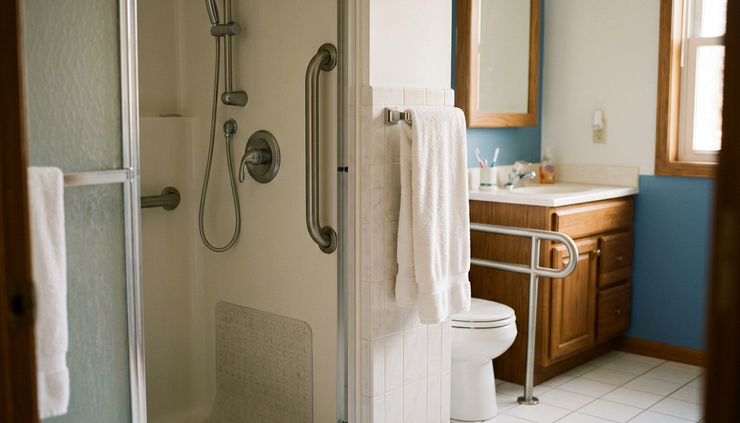
Start with the tub or shower. Use a non-slip mat or textured strips on the floor. Install grab bars where the person needs support, often near the shower entrance and beside the toilet. Towel bars are not a safe substitute because they are not made to hold body weight.
A shower chair can help if standing for a full shower feels tiring or unsteady. A handheld showerhead can also reduce twisting and reaching.
Keep soap, shampoo, towels, and clean clothing within easy reach. Reaching outside the shower or bending to the floor increases risk, especially on wet surfaces.
5. Place everyday items at easy-to-reach heights
Falls can happen when someone climbs on a chair, reaches too far into a cabinet, or bends low for something used every day. A safer home puts common items between shoulder and knee height whenever possible.
In the kitchen, move frequently used items to easy shelves:
Plates and bowls
Mugs
Coffee supplies
Pots and pans
Canned goods
Medications, if they are stored safely away from children and pets
In closets, keep daily clothing on reachable rods or shelves. In the bathroom, keep toiletries where they do not require stretching or crouching.
Step stools can be risky, even sturdy ones. If something requires a step stool, it may belong in a lower spot or should be handled with help.
6. Choose safer footwear inside and outside
Footwear plays a bigger role than many people realize. Slippers that slide, socks on smooth floors, and shoes with worn soles can all increase the risk of slipping or tripping.
Safer shoes usually have:
A closed back
A firm, non-slip sole
A secure fit
Low heels
Enough room for toes
Good support around the foot
Avoid walking in socks on tile, hardwood, or laminate floors unless the socks have reliable non-slip grips. Even then, supportive shoes are often safer.
Foot size and shape can change over time, especially with arthritis, swelling, diabetes, or other health conditions. Shoes that once fit well may no longer be safe or comfortable. If balance feels different in certain shoes, take that seriously.
7. Review medications and health changes
Some falls are tied to dizziness, sleepiness, low blood pressure, vision changes, pain, or weakness. Medications can sometimes play a role, especially when several are taken together.
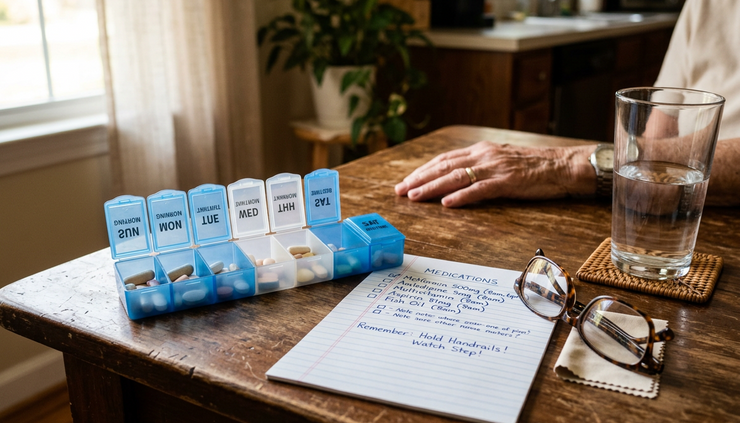
A medication review with a doctor or pharmacist can help identify side effects or combinations that may increase fall risk. This includes prescription drugs, over-the-counter medicines, sleep aids, allergy medicines, supplements, and pain relievers.
Do not stop or change medication without medical guidance. Instead, bring an updated list to appointments and mention any symptoms such as:
Dizziness when standing
Unsteadiness after taking medicine
New sleepiness
Blurry vision
Confusion
Recent near-falls
A near-fall matters. If someone catches themselves on a wall, chair, or counter, that is useful information, not something to ignore.
8. Add simple strength and balance habits
A safer home helps, but the body also needs support. Strength and balance exercises can help with standing, turning, stepping, and recovering from small stumbles.
The right exercises depend on health and mobility. Some people may do well with gentle walking, chair exercises, tai chi, or physical therapy exercises. Others may need a supervised plan from a clinician.
A few everyday habits can help when they are safe:
Standing up slowly from a chair
Practicing heel-to-toe walking with support nearby
Doing gentle seated leg lifts
Taking short walks during the day
Using handrails when practicing stairs
The goal is not athletic performance. The goal is steady movement during real life, such as getting out of bed, walking to the mailbox, or turning in the kitchen.
If exercise causes chest pain, severe shortness of breath, faintness, or unusual pain, stop and seek medical advice.
9. Make stairs safer one detail at a time
Stairs deserve special attention because a trip or misstep can lead to a serious injury. Even if stairs are used every day, they should not be treated as harmless.
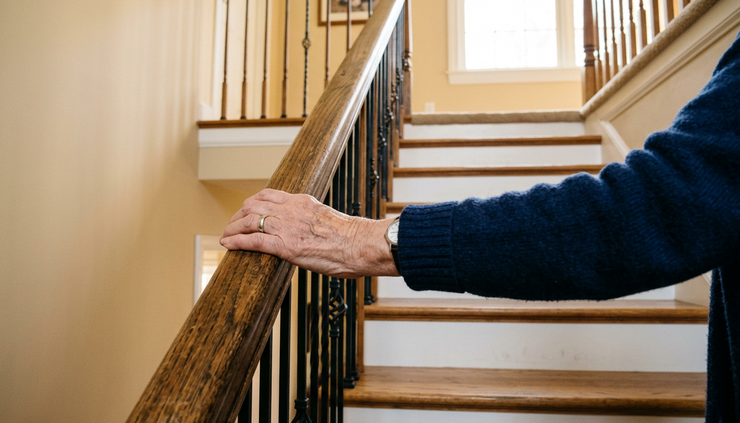
Start with handrails. Stairs should have a sturdy rail that is easy to grip. If possible, rails on both sides offer more support. Loose rails should be repaired right away.
Next, check the steps. Remove objects from stairs, even things that are “only there for a minute.” Make sure carpeting is secure and step edges are visible. Good lighting at the top and bottom of the staircase matters too.
A simple stair routine can help:
Turn on the light before using the stairs.
Use the handrail every time.
Keep one hand free when possible.
Carry smaller loads.
Avoid rushing to answer the door or phone.
If stairs have become difficult or frightening, that is a sign to ask for help. A physical therapist, occupational therapist, or home safety specialist may suggest changes that fit the home and the person’s needs.
10. Build safer routines for high-risk moments
Many falls happen during rushed or distracted moments. A phone rings. Food is boiling. A pet runs underfoot. Someone gets up too fast at night. Preventing falls often means slowing down during predictable risk points.
The highest-risk moments often include:
Getting out of bed
Going to the bathroom at night
Showering
Carrying laundry
Cooking
Walking outside in rain, ice, or poor light
Moving around after taking medication
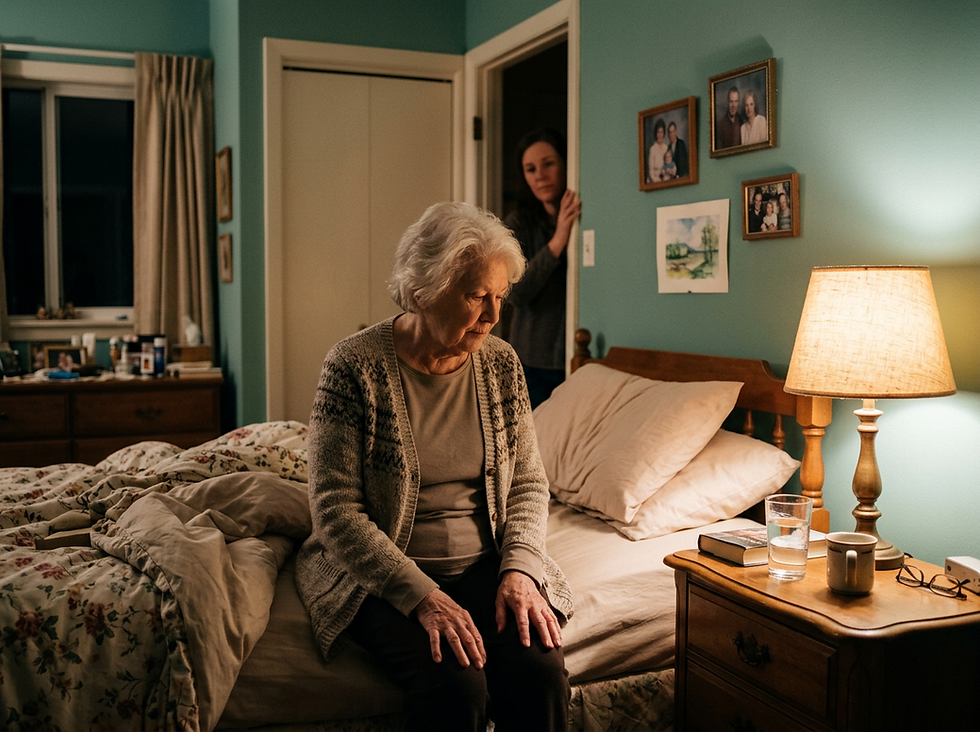
A simple routine can reduce risk. Sit at the edge of the bed before standing. Keep a clear path to the bathroom. Use a stable laundry basket that does not block the view of the floor. Let the phone go to voicemail rather than rushing.
Pets can also create trip hazards. Food and water bowls should sit away from common walking routes. Toys should be picked up often. Small pets may need bells or bright collars so they are easier to notice.
Outside the home, watch for uneven sidewalks, wet leaves, loose gravel, and poor lighting. Keep outdoor steps and walkways clear. In colder areas, plan ahead for snow and ice removal rather than waiting until the path becomes dangerous.
A quick home safety checklist
Use this checklist as a starting point. It does not replace a professional home assessment, but it can make the first round of changes easier.
Area | What to check | Safer change |
Floors | Clutter, cords, loose rugs | Clear paths and secure rugs |
Lighting | Dark halls, stairs, bathrooms | Add night lights and brighter bulbs |
Bathroom | Slippery tub, no support | Add grab bars and non-slip mats |
Kitchen | High shelves, heavy items | Move daily items within reach |
Bedroom | Nighttime path, hard-to-reach lamp | Add bedside lighting and clear the floor |
Stairs | Loose rail, objects on steps | Repair rails and keep stairs clear |
Footwear | Loose slippers, worn soles | Choose supportive non-slip shoes |
When to ask for extra help
Everyday changes can help, but some situations call for professional support. Ask a clinician or qualified specialist for guidance if there have been repeated falls, frequent near-falls, new dizziness, sudden weakness, or fear of walking.
A primary care doctor can check for health issues. A pharmacist can review medications. A physical therapist can work on strength and balance. An occupational therapist can suggest home changes and safer ways to complete daily activities.
Family members and caregivers can help by focusing on respect and choice. A safety change is more likely to last when the person using the space understands it and agrees with it.
The safest home is the one that supports normal life
Fall prevention works best when it fits the way someone already lives. A home should still feel comfortable, familiar, and personal. The aim is not to remove independence. The aim is to make daily movement safer and less stressful.
Start with one room, one walkway, or one routine. Clear the bedroom-to-bathroom path. Add a night light. Secure a rug. Move the coffee mugs lower. Small changes build on each other, and each one can make the next step feel safer.


Comments