

Do You Know What Your Senior Parent Eats When You’re Not Around?

Caring for a senior parent involves many concerns, but one that often goes unnoticed is their daily nutrition. Do you know what your senior parent eats when you’re not around? This question matters because what seniors eat directly affects their health, energy, and quality of life. Many older adults face challenges that make proper nutrition difficult, especially when living alone. Understanding these challenges and how to support healthy eating habits can make a significant difference.

Do You Know What Your Senior Parent Eats When You’re Not Around? Why This Question Matters
Many families assume their senior parent is eating properly, but Do You Know What Your Senior Parent Eats When You’re Not Around? is an important question that often reveals hidden nutrition gaps. When seniors live alone, factors like low appetite, forgetfulness, or difficulty cooking can quietly affect their diet. Paying attention to what they eat—especially when no one is watching—helps families identify early signs of poor nutrition and take supportive steps before health issues develop.
Why Nutrition Matters for Seniors
As people age, their nutritional needs change. Seniors require fewer calories but more of certain nutrients like protein, calcium, vitamin D, and fiber. Proper nutrition helps maintain muscle strength, bone health, and immune function. When seniors do not eat well, they risk:
Weakness and fatigue
Weight loss or malnutrition
Increased susceptibility to infections
Worsening of chronic conditions such as diabetes or heart disease
Many seniors unintentionally eat poorly because of factors like reduced appetite, difficulty cooking, or memory issues. This can lead to a cycle where poor nutrition worsens health, which then further reduces their ability to prepare or enjoy meals.
Common Challenges Seniors Face with Eating
Understanding why seniors might not eat well when you’re not around helps families find better solutions. Some common challenges include:
Loss of appetite: Aging can dull taste buds and reduce hunger signals.
Mobility or dexterity issues: Cooking and grocery shopping become harder.
Memory problems: Forgetting to eat or what they have eaten.
Limited cooking skills or motivation: Seniors may prefer easy snacks over balanced meals.
Dietary restrictions: Managing special diets for diabetes, heart health, or allergies can be complicated.
These challenges often lead to skipped meals or reliance on processed foods that lack essential nutrients.
How In-Home Caregivers Support Healthy Eating
In-home caregivers play a vital role in ensuring seniors eat well when family members cannot be present. They provide:
Meal planning and preparation: Caregivers prepare balanced meals tailored to dietary needs.
Encouragement to eat and hydrate: They remind seniors to eat regularly and drink enough fluids.
Monitoring eating habits: Caregivers observe changes in appetite or food preferences and report concerns.
Grocery shopping assistance: They help select fresh, nutritious ingredients.
Support with special diets: Caregivers ensure meals meet medical or nutritional requirements.
This support helps prevent malnutrition and promotes better health outcomes.

Practical Tips for Families to Know What Seniors Eat
Families can take steps to stay informed and involved in their senior parent’s nutrition, even from a distance:
Ask about meals regularly: Encourage open conversations about what they eat and enjoy.
Use meal delivery or meal prep services: These can supplement home cooking with balanced options.
Set up a meal schedule: Help seniors establish regular meal times to avoid skipping food.
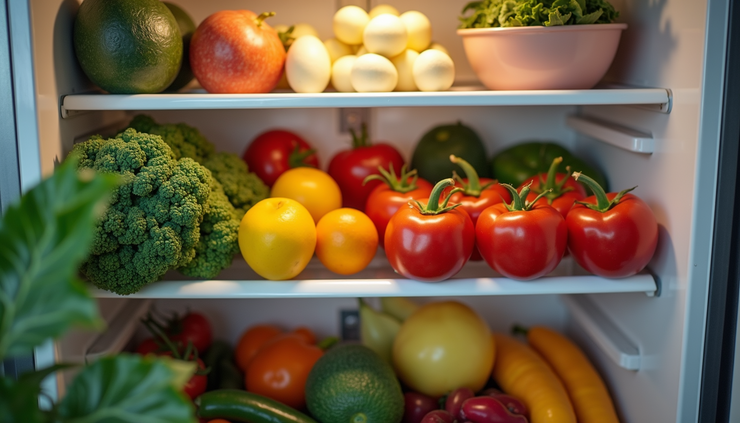
Check the pantry and fridge: When visiting, review available foods to ensure healthy choices.
Encourage social meals: Eating with others can improve appetite and enjoyment.
Consider technology: Video calls during meals or apps to track eating habits can help.
These actions show care and help catch potential nutrition problems early.
Signs That Your Senior Parent May Need Help with Eating
Recognizing warning signs can prompt timely intervention:
Noticeable weight loss or gain
Complaints of stomach discomfort or difficulty swallowing
Frequent fatigue or weakness
Skipping meals or eating very little
Increased reliance on snacks or processed foods
Confusion about meal preparation or forgetting to eat
If you observe these signs, consider discussing options like in-home care or consulting a healthcare professional.
Supporting Your Senior Parent’s Nutrition Is an Act of Love
Do you know what your senior parent eats when you’re not around? This question is more than curiosity—it is a step toward ensuring their health and happiness. Proper nutrition supports their independence, energy, and ability to enjoy life. Families who take an active role in understanding and supporting their senior’s eating habits help prevent health problems and provide peace of mind.
If you find it difficult to monitor or assist with your senior parent’s nutrition, consider professional in-home care services. These caregivers bring expertise, compassion, and consistency to daily meal support. With their help, seniors can maintain a balanced diet tailored to their needs, right in the comfort of their own home.
Taking action today means your senior parent will have the nourishment they need to thrive tomorrow. Reach out to local care providers or healthcare professionals to explore options that fit your family’s needs.


Comments