

Easy Ways to Add Calories to a Senior’s Diet Without Increasing Meal Size

A smaller appetite can make nutrition feel like a math problem. A senior may eat half a sandwich, a few bites of dinner, or a bowl of soup and feel completely full. If weight is dropping, energy is low, or recovery from illness is slow, simply saying “eat more” usually does not work.
The better approach is to make each bite count.
Adding calories without increasing meal size means using richer ingredients, smart snacks, nourishing drinks, and gentle meal timing. The goal is not to pile food on the plate. The goal is to make normal portions more nourishing while keeping meals comfortable and appealing.
This article is for general information only. If weight loss is sudden, swallowing is difficult, appetite changes quickly, or a senior has diabetes, kidney disease, heart disease, digestive problems, or food restrictions, check with a doctor or registered dietitian for personal guidance.

Start with calorie density instead of bigger portions
Calorie density means getting more energy from the same amount of food. A large salad with plain vegetables may fill the stomach but provide relatively few calories. A smaller serving of eggs cooked in olive oil with avocado on the side may be easier to finish and more helpful for maintaining weight.
This matters because many seniors feel full faster. Common reasons include:
Changes in taste or smell
Slower digestion
Medications that reduce appetite
Dental pain or poorly fitting dentures
Loneliness or low mood
Trouble shopping or cooking
Chronic illness or recovery after surgery
Swallowing or chewing problems
When appetite is low, big meals can feel discouraging. A plate that looks too full may make someone want to avoid eating altogether. Smaller portions with more calories can feel less overwhelming.
A practical target is to enrich foods the person already likes. If a senior enjoys oatmeal, enrich oatmeal. If soup is a favorite, enrich soup. If toast is reliable, build on toast. Familiar foods often work better than new “healthy” meals that sit untouched.
Add rich ingredients to foods already on the plate
The easiest changes are the ones that do not change the meal very much. Small spoonfuls of calorie-rich ingredients can raise the nutrition of everyday foods without adding much volume.
Use healthy fats generously
Fats provide more calories per spoonful than protein or carbohydrates. They also improve flavor and texture, which can help when food tastes bland.
Good options include:
Olive oil
Avocado oil
Butter
Nut butters
Avocado
Full-fat yogurt
Cream cheese
Sour cream
Heavy cream
Tahini
Ground flaxseed or chia seeds
Try stirring a teaspoon or tablespoon of olive oil into soup, pasta, rice, mashed potatoes, cooked vegetables, or beans. Spread peanut butter or almond butter on toast, crackers, banana slices, pancakes, or apple slices. Add avocado to eggs, sandwiches, smoothies, or soft tacos.
The portion can stay small. The food simply becomes richer.
Choose full-fat dairy when appropriate
For seniors who tolerate dairy, full-fat options can be useful. Whole milk, Greek yogurt, cottage cheese, cheese, and kefir can add calories and protein in a small serving.
Simple swaps can help:
Instead of | Try |
Water in oatmeal | Whole milk |
Plain broth soup | Creamy soup or soup with added milk |
Low-fat yogurt | Whole-milk Greek yogurt |
Dry toast | Toast with butter, cream cheese, or nut butter |
Plain scrambled eggs | Eggs with cheese and avocado |
If lactose causes discomfort, lactose-free whole milk, lactose-free yogurt, or fortified non-dairy alternatives may be better choices. Look for options with protein, not only sweetened drinks.
Enrich soft foods
Soft foods can be a good base when chewing is hard. They also accept calorie boosters easily.
Add richness to:
Mashed potatoes with butter, sour cream, cheese, or olive oil
Scrambled eggs with cheese, cream, or avocado
Applesauce with nut butter or full-fat yogurt
Pudding with powdered milk or protein powder
Cream soups with olive oil, cream, or blended beans
Macaroni and cheese with extra cheese or Greek yogurt
Rice or pasta with pesto, butter, or olive oil
Texture matters. If chewing or swallowing is difficult, do not guess. A speech-language pathologist or medical professional can recommend safer textures and liquid thickness.

Make drinks work harder
Drinks can be helpful because they often feel easier than another plate of food. The key is to avoid filling up on low-calorie drinks right before meals. Water is important, but if weight gain or weight maintenance is the goal, some drinks can provide nutrition too.
Build a better smoothie
A smoothie can pack calories, protein, and flavor into a small glass. It can also be adjusted for texture.
Start with one liquid:
Whole milk
Lactose-free whole milk
Kefir
Soy milk
Fortified non-dairy milk
Coconut milk, if appropriate
Add one or two calorie boosters:
Peanut butter
Almond butter
Avocado
Greek yogurt
Protein powder, if approved by a clinician
Ground flaxseed
Chia seeds
Oats
Honey or maple syrup
Then add flavor:
Banana
Frozen berries
Cocoa powder
Cinnamon
Vanilla
Mango
Peach
A simple combination is whole milk, banana, peanut butter, Greek yogurt, and a little cinnamon. Serve it in a small glass rather than a large tumbler. A smaller serving looks more manageable.
Try fortified milk
Fortified milk is easy to make at home. Stir dry milk powder into whole milk until dissolved. This increases protein and calories without greatly changing the serving size.
Use fortified milk in:
Oatmeal
Cream soups
Pudding
Scrambled eggs
Mashed potatoes
Hot cocoa
Pancake batter
This is a quiet upgrade. Many people will not notice it, especially when it is mixed into cooked foods.
Use nutrition shakes carefully
Ready-made nutrition shakes can be useful, especially during illness, recovery, or very low appetite. Some are high in sugar, and some may not fit certain medical diets. A doctor or dietitian can help choose the right type.
If shakes are used, serve them between meals rather than replacing meals unless a clinician recommends that. Pouring half a shake into a small glass may also feel less overwhelming.
Offer smaller meals more often
When large meals are hard, meal timing matters. Three full meals may not work. Five or six smaller eating moments may be easier.
That might look like:
Breakfast
Midmorning snack
Lunch
Afternoon snack
Dinner
Evening snack
Each eating moment does not need to be complicated. A few bites can help if they happen consistently.
Good small snacks include:
Cheese and crackers
Greek yogurt with honey
Peanut butter toast
Trail mix with nuts and dried fruit
Hard-boiled egg with avocado
Cottage cheese with fruit
Half a sandwich with extra spread
Hummus with pita
Pudding made with whole milk
Banana with nut butter
A small smoothie
Oatmeal with cream and walnuts
Keep snacks visible and easy to reach. Appetite can pass quickly. If food requires too many steps, it may not happen.
For seniors who wake during the night or go to bed early, an evening snack can help. Try warm milk, yogurt, toast with butter, or a small bowl of cereal with whole milk. Comfort often matters as much as nutrition.

Increase protein along with calories
Calories matter, but protein matters too. Seniors can lose muscle more easily with age, illness, or inactivity. Meals that add calories but lack protein may not support strength as well as meals that include both.
Protein-rich foods include:
Eggs
Fish
Chicken
Turkey
Beans
Lentils
Tofu
Greek yogurt
Cottage cheese
Milk
Cheese
Nut butters
Protein-enriched drinks or powders, when appropriate
The easiest method is to add protein to favorite foods.
Stir Greek yogurt into mashed potatoes after cooking. Add shredded chicken to soup. Melt cheese into scrambled eggs. Blend silken tofu into smoothies. Add beans to rice, pasta, or soup. Use cottage cheese in pancakes or casseroles.
If meat feels too dry, serve it with gravy, sauce, olive oil, or broth. Moist foods are often easier to chew and swallow.
Improve flavor when food tastes bland
A senior may stop eating because food no longer tastes good. Taste and smell can change with age, illness, medication, or dental problems. Bland food becomes easier to ignore.
Flavor boosters can make a real difference.
Try adding:
Lemon juice
Vinegar
Herbs
Garlic
Onion powder
Cinnamon
Ginger
Salsa
Pesto
Gravy
Cheese sauce
Low-sodium seasoning blends, if sodium is limited
Temperature can also help. Some people prefer cold foods when smells bother them. Others eat better when meals are warm and fragrant. If meat tastes metallic, try eggs, dairy, beans, fish, or plant proteins instead.
Sweet foods may be more appealing than savory foods for some seniors. If that is true, make sweet foods more nourishing. Enrich oatmeal, yogurt, pudding, pancakes, smoothies, rice pudding, or custard rather than relying only on candy or cookies.
Enjoyment matters. A nourishing food that gets eaten is more useful than a perfect meal that stays on the plate.
Make meals easier to eat
Sometimes the barrier is not appetite. It is effort.
Fatigue can make cutting food, opening packages, or sitting through a long meal feel like too much. Pain, tremors, vision changes, and dental issues can all reduce intake.
Small changes can help:
Cut food into bite-size pieces before serving
Use bowls instead of plates for foods that slide around
Serve moist foods with sauce or gravy
Offer finger foods if utensils are frustrating
Use easy-open containers
Keep snacks at waist height in the refrigerator or pantry
Prepare single-serving portions
Choose cups with lids if spills are a concern
A calm eating space helps too. Turn off loud background noise if it distracts from eating. Serve one or two foods at a time if a full plate feels overwhelming. Sit with the person when possible, since companionship often improves intake.
Add calories without relying only on sugar
Desserts can be part of the plan. Ice cream, pudding, cookies, and sweet drinks may help some seniors take in more calories. But relying only on sugar can crowd out protein, fiber, vitamins, and minerals.
A balanced approach works better.
Try these higher-calorie foods that also bring useful nutrients:
Food | Easy way to serve it |
Avocado | Mash onto toast or blend into a smoothie |
Eggs | Scramble with cheese and butter |
Greek yogurt | Top with honey, nuts, or fruit |
Nut butter | Spread on toast, crackers, or banana |
Beans | Add to soup, rice, or soft tacos |
Salmon or tuna | Mix with mayo and serve on crackers |
Cheese | Melt into eggs, potatoes, pasta, or soup |
Olive oil | Stir into vegetables, pasta, or grains |
For seniors with diabetes or blood sugar concerns, calorie increases need extra care. Higher-calorie does not have to mean high-sugar. Foods like eggs, cheese, avocado, olive oil, nuts, meats, and unsweetened Greek yogurt may fit better, depending on the care plan.
Use simple meal upgrades throughout the day
Small changes add up when they happen often. Think of each meal as a chance to add one calorie booster.
Breakfast ideas:
Oatmeal made with whole milk, topped with nut butter
Scrambled eggs with cheese and avocado
Whole-milk yogurt with granola and berries
Pancakes with butter and Greek yogurt
Toast with cream cheese and jam
Lunch ideas:
Cream soup with olive oil stirred in
Tuna salad with full-fat mayo on soft bread
Grilled cheese with tomato soup
Chicken salad with avocado
Bean and cheese quesadilla
Dinner ideas:
Pasta with pesto and grated cheese
Salmon with mashed potatoes enriched with butter
Chili topped with sour cream and cheese
Rice bowl with beans, avocado, and olive oil
Meatloaf with gravy and soft vegetables
Snack ideas:
A small smoothie
Cheese and crackers
Yogurt with honey
Peanut butter banana
Pudding made with whole milk
Trail mix
Cottage cheese with peaches
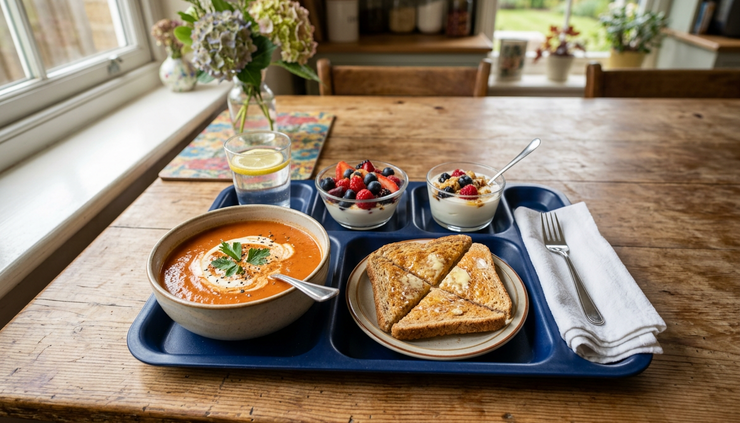
These are easy ways to add calories to a senior’s diet without increasing meal size, because they work with foods that already fit into a normal day.
Watch for signs that more help is needed
Food changes can help, but they should not replace medical care when something more serious is going on. Contact a healthcare professional if there is:
Unplanned weight loss
Coughing or choking during meals
Pain with chewing or swallowing
Ongoing nausea, vomiting, or diarrhea
New confusion or dehydration
Loss of appetite after a medication change
Very low energy
Sores in the mouth
Depression symptoms
Trouble accessing food
A dentist can help with denture pain, mouth sores, or chewing trouble. A pharmacist can review medicines that may affect appetite. A registered dietitian can suggest calorie and protein goals. A speech-language pathologist can assess swallowing safety.
Track changes gently. Weighing once a week may be enough unless a clinician gives different instructions. Food logs can help, but they should not become a source of pressure. The goal is to notice patterns and find what works.
Build a routine that feels normal
The best meal plan is one that a person can live with. It should respect food preferences, culture, budget, chewing ability, medical needs, and daily energy.
Start with one or two upgrades:
Add whole milk to oatmeal
Put olive oil in soup
Serve yogurt as an afternoon snack
Keep peanut butter crackers nearby
Add cheese to eggs
Offer a small smoothie between meals
Once those feel normal, add another. Progress does not need to be dramatic. A few extra spoonfuls, a richer drink, or a better evening snack can make a steady difference over time.
The most helpful question is simple: what is already being eaten, and how can it be made more nourishing? Start there. Keep portions comfortable. Use familiar flavors. Make every bite count.


Comments