

Easy Ways to Add More Calories to a Senior’s Diet Without Big Meals

When a senior starts eating less, the first instinct is often to serve a bigger plate. That can backfire. A large meal may feel overwhelming, especially when appetite is low, chewing is tiring, digestion is slower, or medications change the way food tastes.
A gentler approach is to make familiar foods more calorie rich without adding much volume. A few tablespoons of the right foods, a nourishing drink, or a better-timed snack can make a real difference over the course of a day.
This guide is for practical, everyday meal planning. It is not medical advice. If weight loss is sudden, ongoing, or paired with fatigue, pain, swallowing trouble, nausea, depression, or confusion, it is best to talk with a doctor or registered dietitian.
Start with smaller meals that work with appetite
Many older adults do better with five or six modest eating times instead of three full meals. This can reduce the pressure to “finish the plate” and make eating feel more manageable.
A simple day might look like this:
Breakfast
Midmorning snack
Lunch
Afternoon snack
Dinner
Evening snack
The goal is not constant grazing. It is a gentle rhythm that gives more chances to eat when appetite appears.
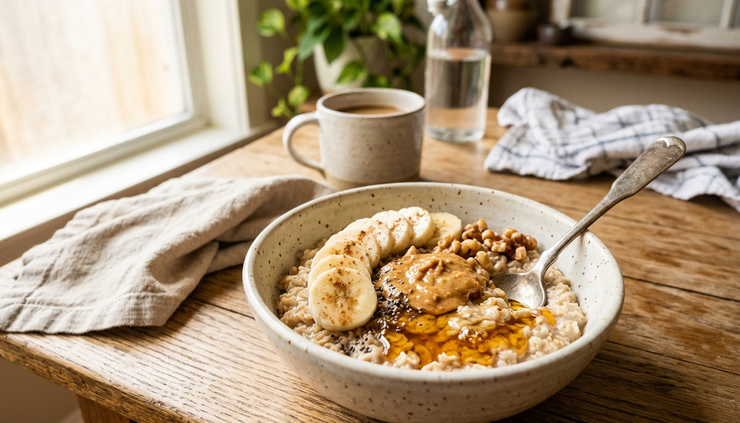
For someone who feels full quickly, the most nourishing foods should show up first. Instead of starting with broth, plain toast, or black coffee, serve the higher-calorie item at the beginning of the meal. That might be eggs, yogurt, avocado toast, oatmeal with milk, or a smoothie.
Small portions also make the plate less intimidating. A half sandwich, a small mug of soup, and a few bites of fruit may be easier than a full plate. If the first serving goes well, more can always be offered.
Add calories with foods that take up little space
The easiest foods to add are the ones that blend into meals the senior already likes. A tablespoon here and a sprinkle there may not look like much, but these additions can raise calories without making the meal feel large.
Use healthy fats in simple ways
Fats provide more calories per bite than protein or carbohydrates, so they are useful when meal size needs to stay small. The key is to choose fats that fit the person’s tastes and medical needs.
Good options include:
Olive oil stirred into soup, pasta, rice, or vegetables
Avocado added to toast, eggs, sandwiches, or smoothies
Nut butter spread on toast, pancakes, crackers, apple slices, or bananas
Ground flaxseed or chia seeds mixed into oatmeal, yogurt, or smoothies
Soft cheese added to eggs, potatoes, casseroles, or sandwiches
A bowl of soup can become more filling with olive oil and grated cheese. A slice of toast can carry peanut butter instead of plain jam. Mashed potatoes can be made with milk, butter, sour cream, or Greek yogurt.
For seniors with heart disease, kidney disease, diabetes, or digestive issues, fat choices may need to be tailored. A clinician can help set safe guidelines.
Enrich common foods without changing the meal
Some seniors resist new foods but accept small changes to familiar foods. That is where calorie boosters help.
Try mixing powdered milk into:
Mashed potatoes
Cream soups
Scrambled eggs
Hot cereal
Puddings
Pancake batter
Use whole milk instead of water when making oatmeal, cocoa, cream soups, or instant breakfast drinks. Add shredded cheese to eggs, rice, pasta, or vegetables. Stir Greek yogurt into smoothies, dips, or mashed sweet potatoes.
For sweeter foods, try adding honey, maple syrup, jam, or fruit preserves when appropriate. These should be used with care for seniors who manage blood sugar, but they can help when calorie intake is the main concern.
Make snacks count instead of filling up on low-calorie foods
Snacks can do more than hold someone over until dinner. For a senior with a small appetite, they may provide a large share of the day’s calories.
A good snack usually has at least two parts. Pair protein, fat, or dairy with a carbohydrate so the snack feels satisfying and offers more nutrition.
Strong snack ideas include:
Whole-milk yogurt with granola
Crackers with cheese or peanut butter
Toast with avocado and egg
Trail mix with nuts and dried fruit
Cottage cheese with peaches
A muffin with butter or cream cheese
Hummus with pita bread
A banana with peanut butter
Pudding made with whole milk
A small quesadilla with cheese and beans
For someone who eats only a few bites, choose snacks that are dense. A few crackers with cheese may offer more than a large bowl of plain lettuce or broth.
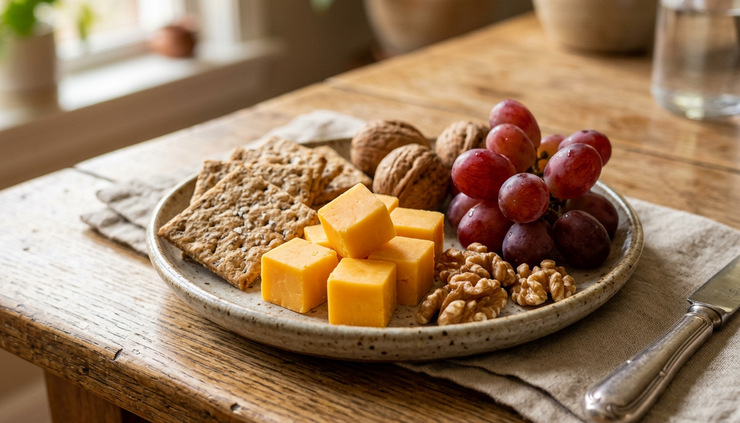
Timing matters too. If a snack too close to dinner ruins appetite, move it earlier. If evenings are the best eating time, plan a nourishing bedtime snack. Many seniors enjoy a small bowl of ice cream, warm milk, toast with nut butter, or yogurt before bed.
Use drinks when chewing or appetite is a problem
Drinks can help when chewing is tiring, dry mouth makes foods hard to swallow, or appetite is low. They are also useful for seniors who feel overwhelmed by plates of food.
Smoothies are one of the easiest options because they can be adjusted to taste. Start with a base, add protein, then add calorie boosters.
A basic smoothie can include:
Whole milk, soy milk, or a nutrition drink
Greek yogurt or protein powder, if approved
Banana, berries, peaches, or mango
Peanut butter, almond butter, avocado, or ground flaxseed
Honey or maple syrup, if suitable
A mild smoothie could be made with whole milk, banana, peanut butter, and yogurt. A fruitier version could use yogurt, peaches, mango, and avocado. The avocado adds creaminess without a strong flavor.
Milkshakes can also help when the goal is weight gain or preventing more weight loss. Blend whole milk with ice cream and fruit. For more nutrition, add powdered milk, nut butter, or yogurt.
Nutrition shakes from the store can be helpful, but they are not always necessary. Some seniors like them cold, over ice, or blended with fruit. Others dislike the taste. If they replace meals rather than add to them, they may not solve the problem. The best choice is the one the person will drink consistently.
One useful rule is to avoid filling up on low-calorie drinks before meals. Water, tea, and coffee are fine, but large amounts right before eating can reduce hunger. Offer more nourishing drinks between meals when possible.
Make meals easier to chew, swallow, and enjoy
Low appetite is not always the main issue. Sometimes the meal is hard work.
Dental problems, dry mouth, poorly fitting dentures, swallowing changes, tremors, and arthritis can all make eating harder. When food takes too much effort, seniors may stop before they have eaten enough.
Soft, moist foods are often easier. Try:
Scrambled eggs with cheese
Tuna or egg salad with extra mayonnaise
Chicken salad on soft bread
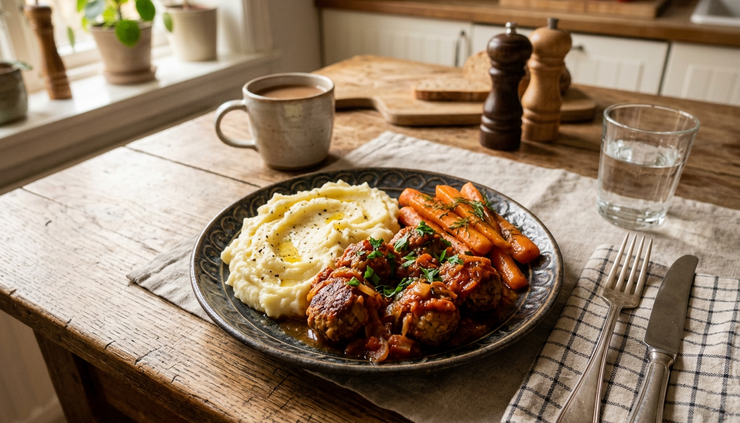
Meatballs with sauce
Slow-cooked meats
Creamy soups
Macaroni and cheese
Lasagna or casseroles
Oatmeal made with milk
Yogurt with soft fruit
Mashed potatoes with gravy
Sauces can make a big difference. Add gravy, cheese sauce, pesto, salad dressing, sour cream, or olive oil to foods that feel dry. For sandwiches, use soft bread and spreads like hummus, mayonnaise, avocado, or cream cheese.
If coughing, choking, a wet-sounding voice, or repeated swallowing trouble appears during meals, get medical guidance. Swallowing issues need proper evaluation. Thickened liquids or texture changes should be recommended by a qualified professional, not guessed at.
Improve flavor when food tastes bland or strange
Taste and smell can fade with age. Some medications also leave a metallic taste or make food less appealing. When food tastes flat, larger portions will not help much.
Small flavor upgrades can bring interest back:
Add lemon juice to fish, vegetables, or chicken
Use herbs like basil, dill, parsley, rosemary, or cilantro
Try cinnamon, nutmeg, or vanilla in oatmeal and smoothies
Add salsa, pesto, or chutney to mild foods
Use garlic, onion powder, ginger, or smoked paprika
Serve foods warm if aromas help appetite
Serve foods chilled if smells cause nausea
Texture can matter as much as flavor. Crunchy toppings like granola, chopped nuts, or toasted breadcrumbs may help some seniors enjoy meals more. Others may need soft textures. Follow the person’s chewing and swallowing comfort.
A pleasant mealtime setting can also help. Good lighting, an uncluttered table, and a calm pace make eating easier. For some seniors, eating with another person improves intake. For others, quiet meals work better. Watch what helps and repeat it.
Keep easy high-calorie staples on hand
Eating more is harder when every snack requires cooking. A stocked kitchen makes it easier to offer something nourishing at the right moment.
Helpful staples include:
Whole milk
Greek yogurt
Cottage cheese
Cheese slices or cubes
Eggs
Nut butters
Avocados
Olive oil
Hummus
Canned tuna or salmon
Beans
Cream soups
Instant oatmeal
Granola
Trail mix
Dried fruit
Frozen fruit
Ice cream
Pudding cups
Nutrition drinks
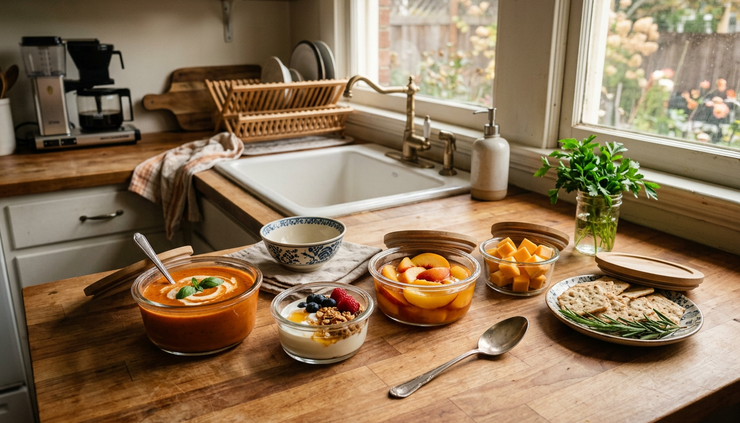
Batch cooking can help too. Keep small portions of soups, casseroles, pasta dishes, and cooked meats in the refrigerator or freezer. Use single-serving containers so reheating feels simple.
For seniors who live alone, convenience matters. Easy-to-open packaging, reachable shelves, and ready-to-eat foods can reduce skipped meals. If arthritis or weakness makes jars, cans, or cartons difficult, switch to packaging that is easier to handle.
Watch for signs that extra help is needed
A small appetite can happen for many reasons, but ongoing weight loss should not be ignored. Food changes at home may help, yet they do not replace medical care when something deeper is going on.
Call a health professional if a senior has:
Unplanned weight loss
New trouble chewing or swallowing
Frequent coughing during meals
Ongoing nausea, vomiting, diarrhea, or constipation
Mouth pain or dental problems
Depression, grief, or loss of interest in food
Confusion that affects eating
New weakness or frequent falls
A major change after starting a medication
A doctor can look for medical causes. A dentist can address mouth pain or denture fit. A registered dietitian can build a plan that fits health conditions, food preferences, and calorie needs.
A simple one-day example
Here is what adding calories without big meals could look like in a normal day.
Eating time | Small meal idea | Easy calorie boost |
Breakfast | Oatmeal | Make it with whole milk and add nut butter |
Snack | Yogurt | Add granola and honey |
Lunch | Half turkey sandwich | Add avocado, cheese, and mayonnaise |
Snack | Smoothie | Blend milk, banana, yogurt, and peanut butter |
Dinner | Soup and soft bread | Stir olive oil or cream into the soup |
Evening snack | Pudding or ice cream | Add whipped cream or chopped nuts if safe |
This approach keeps portions modest but gives the day more nutrition overall. It also leaves room for personal taste, which matters more than any perfect meal plan.
Small changes are easier to keep
The best plan is the one that fits the senior’s appetite, comfort, and daily routine. Start with one or two changes rather than rebuilding every meal at once.
A good first step might be:
Switch from water to whole milk in oatmeal
Add cheese or avocado to lunch
Offer a smoothie between meals
Keep a snack plate ready in the afternoon
Add olive oil, butter, or sauce to dinner
Adding calories should not feel like a battle at the table. Keep portions small, make foods easier to eat, and build on familiar favorites. Over time, those small changes can help support weight, strength, and energy without the stress of big meals.


Comments