

Top Brain-Boosting Foods Seniors Should Include for Enhanced Memory and Health

Maintaining a sharp memory and good brain health becomes increasingly important as we age. Many seniors worry about cognitive decline, but the right diet can support brain function and overall wellness. Certain foods contain nutrients that help protect brain cells, improve memory, and reduce the risk of age-related cognitive issues. This post explores the best brain-boosting foods seniors should include in their daily meals to support mental clarity and long-term health.

Why Brain Health Matters for Seniors
As people grow older, the brain undergoes natural changes that can affect memory, focus, and processing speed. While some decline is normal, lifestyle choices, especially diet, play a crucial role in slowing down cognitive aging. Nutrient-rich foods can:
Protect brain cells from damage caused by free radicals
Improve communication between brain cells
Reduce inflammation linked to cognitive decline
Support blood flow to the brain for better oxygen and nutrient delivery
Eating the right foods is a simple, effective way to support brain health and maintain independence.
Top Brain-Boosting Foods for Seniors
1. Blueberries
Blueberries are often called a superfood for the brain. They contain antioxidants known as flavonoids that help reduce oxidative stress and inflammation in the brain. Studies show that regular blueberry consumption can improve memory and delay brain aging.
How to include: Add fresh or frozen blueberries to oatmeal, yogurt, or smoothies.
2. Fatty Fish
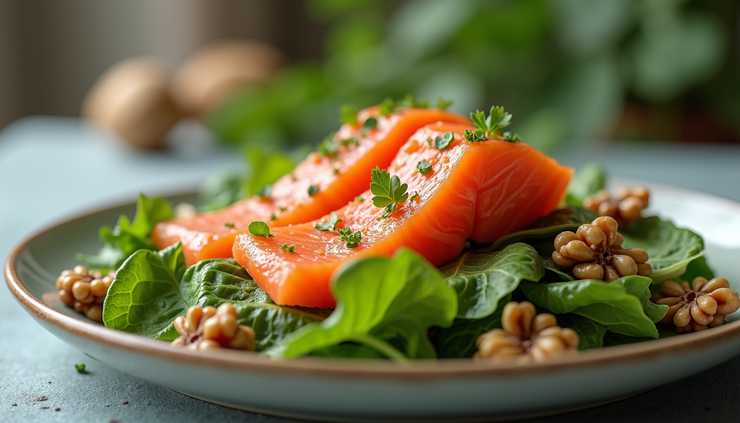
Fatty fish like salmon, mackerel, and sardines are rich in omega-3 fatty acids, especially DHA. DHA is a major structural component of the brain and supports communication between brain cells. Research links omega-3 intake to better memory and slower cognitive decline.
How to include: Aim for two servings of fatty fish per week, grilled or baked with herbs and lemon.
3. Leafy Green Vegetables
Vegetables such as spinach, kale, and Swiss chard provide vitamins E and K, folate, and antioxidants. These nutrients help protect brain cells and support cognitive function. Folate, in particular, is important for memory and mental clarity.
How to include: Add leafy greens to salads, soups, or sauté them as a side dish.
4. Walnuts
Walnuts contain high levels of DHA, antioxidants, and vitamin E. These nutrients work together to reduce inflammation and oxidative damage in the brain. Studies suggest walnuts can improve cognitive function and memory in older adults.
How to include: Snack on a handful of walnuts or sprinkle chopped walnuts over salads and cereals.
5. Whole Grains
Whole grains like oats, brown rice, and quinoa provide a steady supply of glucose, the brain’s main energy source. They also contain fiber and B vitamins that support brain health and improve concentration.
How to include: Replace refined grains with whole grains in meals, such as whole-grain bread or brown rice.
6. Eggs
Eggs are a good source of choline, a nutrient that helps produce acetylcholine, a neurotransmitter important for memory and mood. They also provide protein and B vitamins that support brain function.
How to include: Enjoy eggs boiled, scrambled, or in vegetable omelets.
7. Dark Chocolate
Dark chocolate with at least 70% cocoa contains flavonoids, caffeine, and antioxidants. These compounds can improve blood flow to the brain and enhance memory and focus. Moderation is key due to calorie content.
How to include: Have a small piece of dark chocolate as an occasional treat.
8. Turmeric
Turmeric contains curcumin, a compound with strong anti-inflammatory and antioxidant effects. Curcumin crosses the blood-brain barrier and may help improve memory and reduce symptoms of depression.
How to include: Add turmeric powder to soups, stews, or golden milk.
9. Broccoli
Broccoli is rich in antioxidants and vitamin K, which supports brain cell health and cognitive function. It also contains compounds that have anti-inflammatory effects.
How to include: Steam or roast broccoli as a side dish or add it to casseroles.
10. Pumpkin Seeds
Pumpkin seeds provide magnesium, iron, zinc, and copper, all essential for brain health. Zinc deficiency has been linked to neurological conditions, so including these seeds can support memory and mood.
How to include: Sprinkle pumpkin seeds on salads, yogurt, or eat them as a snack.
Tips for Incorporating Brain-Boosting Foods
Plan balanced meals that include a variety of these foods to cover different nutrients.
Snack smart with nuts, seeds, or fruit instead of processed snacks.
Stay hydrated as dehydration can affect concentration and memory.
Limit processed foods and added sugars that can increase inflammation.
Cook at home to control ingredients and include fresh, nutrient-rich foods.
Supporting Brain Health Beyond Diet
While diet plays a major role, combining it with other healthy habits enhances brain function:
Regular physical activity improves blood flow to the brain.
Mental exercises like puzzles or reading keep the mind sharp.
Social engagement reduces risk of cognitive decline.
Quality sleep supports memory consolidation.
Final Thoughts on Brain-Boosting Foods for Seniors
Choosing the right foods can make a real difference in memory and brain health as we age. Including blueberries, fatty fish, leafy greens, walnuts, and whole grains regularly provides essential nutrients that protect and support the brain. Small changes in diet, combined with an active lifestyle, help seniors maintain mental clarity and enjoy a better quality of life.



Comments