

Why Seniors Struggle to Eat Enough 8 Common Reasons

A half-finished plate can look like a small thing. For an older adult, it may be a clue.
Eating less once in a while is normal. Appetite changes with illness, stress, hot weather, or a disrupted routine. But when a senior regularly eats too little, the effects can build quickly. Low intake can lead to weight loss, weakness, dehydration, slower healing, and a higher risk of falls.
The reasons are not always obvious. A person may say they are “just not hungry,” when the real issue is a sore tooth, a new medication, loneliness, or trouble getting groceries. Understanding the common causes makes it easier to respond with patience and practical help.
This article is for general information only and is not a substitute for medical advice. Any sudden weight loss, choking, ongoing nausea, or major change in eating habits should be discussed with a health care professional.

1. Appetite often decreases with age
Many older adults feel full sooner than they used to. This can happen because metabolism slows, activity levels change, and the body’s hunger signals may become less strong.
A smaller appetite does not always mean there is a problem. Some seniors do need fewer calories than they did years ago. The concern starts when smaller portions no longer meet the body’s needs.
Signs that appetite loss may be affecting health include:
Clothes fitting looser
Less energy during the day
Skipping meals often
Eating only a few bites and stopping
Losing interest in foods that used to be enjoyable
A helpful first step is to focus on nutrient-dense foods rather than large plates of food. A small meal with eggs, Greek yogurt, nut butter, avocado, beans, fish, or cheese may offer more nutrition than a larger plate of low-calorie foods.
For some seniors, smaller meals work better than three full meals. A light breakfast, a midmorning snack, lunch, an afternoon snack, and dinner may feel less overwhelming.
2. Food may not taste or smell as good anymore
Taste and smell often become less sharp with age. Some medications, dental issues, sinus problems, and past infections can make this worse. When food tastes bland or smells “off,” eating can feel like a chore.
This is one reason seniors struggle to eat enough even when food is available. A meal that seems perfectly fine to others may not seem appealing to the person eating it.
Simple changes can help:
Add herbs, lemon juice, garlic, onion, cinnamon, or ginger
Serve food warm if aroma helps appetite
Try contrasting textures, such as creamy soup with crisp toast
Use colorful foods to make the plate more inviting
Ask whether sweet, tart, savory, or spicy foods are more appealing now
Salt is not always the best answer, especially for people managing blood pressure, heart disease, or kidney problems. Flavor can come from herbs, vinegar, citrus, and spices instead.
When food loses flavor, appetite often follows. Making meals more aromatic, colorful, and textured can make eating feel less like a task.
3. Dental pain and mouth problems make eating difficult
A sore tooth can turn a normal meal into a painful one. So can loose dentures, dry mouth, gum disease, mouth sores, or jaw discomfort. Seniors may avoid meat, raw vegetables, apples, nuts, crusty bread, and other foods that require chewing.
The issue may show up as “picky eating,” but the real cause may be pain.
Clues include:
Chewing on one side of the mouth
Taking a long time to eat
Avoiding hot, cold, crunchy, or chewy foods
Removing dentures during meals
Complaining that food is too hard
Soft foods can help in the short term, but mouth pain should not be ignored. A dental checkup can identify problems with dentures, cavities, infections, or gum disease.
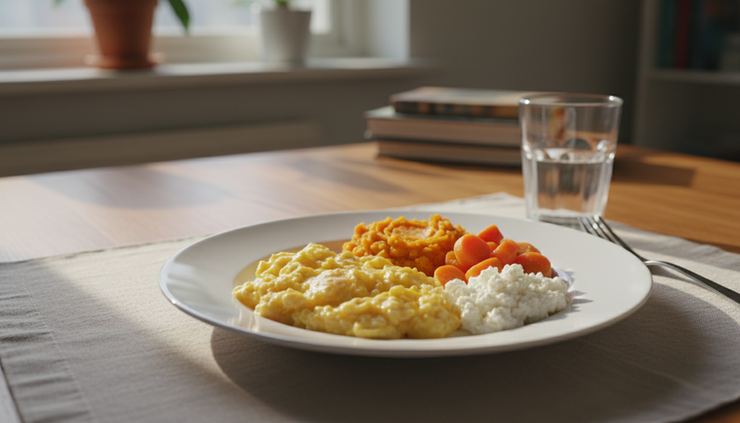
Soft, high-protein options can include scrambled eggs, tuna salad, cottage cheese, oatmeal made with milk, bean soup, mashed sweet potatoes, yogurt, smoothies, and soft-cooked vegetables.
4. Swallowing problems can make meals scary
Some older adults have dysphagia, which means difficulty swallowing. It can happen after a stroke, with Parkinson’s disease, dementia, certain cancers, reflux, or other medical conditions.
Swallowing trouble can make a person eat less because meals feel unsafe or exhausting. They may fear coughing, choking, or food “going down the wrong way.”
Watch for these signs:
Coughing or throat clearing during meals
A wet or gurgly voice after drinking
Food pocketed in the cheeks
Avoiding liquids or certain textures
Repeated chest infections
Taking a very long time to finish meals
Swallowing concerns need medical attention. A doctor may refer the person to a speech-language pathologist, who can assess swallowing and suggest safer textures or techniques.
Do not thicken liquids or change food textures without guidance unless a clinician has recommended it. The wrong texture can make eating less safe, not safer.
5. Medications can affect hunger, taste, and digestion
Many seniors take more than one medication. Some drugs can reduce appetite, cause nausea, change taste, dry out the mouth, or cause constipation. Others may need to be taken with food, which can complicate meal timing.
Medication side effects are easy to miss because they may appear slowly. A person may start eating less weeks after a prescription change and not connect the two.
Helpful steps include:
Keep an updated medication list
Note when appetite changes started
Ask a pharmacist about common side effects
Do not stop medication without medical advice
Ask whether timing or dosing options could reduce stomach upset
Supplements can also affect appetite or digestion. Iron, certain pain relievers, and some vitamins may cause nausea or constipation for some people.
If eating problems begin after a new medication, bring it up with the prescribing clinician. There may be an alternative, a timing change, or a way to manage side effects.
6. Chronic illness can drain energy and reduce interest in food
Heart disease, lung disease, diabetes, kidney disease, cancer, arthritis, infections, and digestive disorders can all affect eating. Pain and fatigue may make shopping, cooking, sitting upright, or chewing feel like too much effort.
Some conditions also change what a person can safely eat. For example, someone with kidney disease or heart failure may have food or fluid limits. Someone with diabetes may feel overwhelmed by blood sugar advice. A senior with reflux may avoid meals because eating causes discomfort.
When illness is involved, food advice should be personalized. A registered dietitian can help build meals that fit medical needs without making eating feel impossible.
For daily support, the goal is to reduce effort. That may mean:
Keeping easy meals within reach
Using prepared foods when cooking is too tiring
Choosing soups, casseroles, smoothies, and soft proteins
Offering food earlier in the day if energy drops later
Serving smaller portions to avoid overwhelming the person
The best meal plan is one the person can actually eat.

7. Depression, grief, and loneliness can reduce the desire to eat
Food is emotional. Many people eat better when meals are social, familiar, and pleasant. When a spouse dies, friends move away, driving becomes harder, or daily life becomes quieter, meals can lose meaning.
Depression can also reduce appetite, energy, motivation, and interest in favorite foods. Grief may do the same, especially after a major loss.
Signs may include:
Eating alone most of the time
Skipping meals because “it is not worth cooking”
Loss of interest in hobbies
Sleeping much more or much less
Ongoing sadness, irritability, or withdrawal
Shared meals can help, even if they are simple. A neighbor bringing soup, an adult child staying for lunch, a senior center meal, or a regular phone call during dinner can make eating feel less lonely.
Mental health support matters too. Depression is not a normal or unavoidable part of aging. If low mood, hopelessness, or withdrawal lasts, a medical or mental health professional should be involved.
8. Memory problems and daily living challenges can interrupt meals
Cognitive decline can change eating in several ways. A person may forget meals, eat the same food repeatedly, lose track of what is in the refrigerator, or feel confused by too many choices.
Physical limitations can create another barrier. Arthritis can make opening jars painful. Poor vision can make cooking unsafe. Limited income, lack of transportation, or difficulty standing at the stove can all reduce food intake.
These problems are often practical, not personal. The person may want to eat but cannot manage all the steps.
Support can include:
Ready-to-eat meals in clear containers
A simple meal schedule posted on the refrigerator
Grocery delivery or help with shopping
Adaptive utensils and easy-open containers
Frozen meals with added vegetables or protein
Reminders from family, caregivers, or phone alarms
For someone with memory loss, too many options can backfire. A plate with one familiar meal may work better than asking, “What do you want to eat?”
What helps seniors eat enough without pressure
Pressure often makes meals worse. Repeated comments about how little someone eats can create stress, embarrassment, or resistance. A calmer approach works better.
Try to make eating easy, pleasant, and predictable.
Here are practical ideas that often help:
Serve smaller portions and offer seconds
Keep favorite foods available
Add calories gently with olive oil, nut butter, avocado, cheese, or milk
Offer drinks between meals if fluids cause fullness during meals
Create a regular meal routine
Make the eating area comfortable and well lit
Eat together when possible
Track weight changes, appetite, and symptoms
A simple food log can help identify patterns. For example, a senior may eat better in the morning, avoid food after taking a certain pill, or eat more when soup is served instead of a large entrée.
When poor eating needs medical attention
Some changes need prompt care. Contact a health care professional if an older adult has:
Sudden or unexplained weight loss
Choking, coughing, or wet voice during meals
Ongoing nausea, vomiting, diarrhea, or constipation
Mouth pain, broken teeth, or denture problems
Signs of dehydration, such as dizziness, confusion, or very dark urine
New confusion or sudden behavior changes
Loss of appetite after a medication change
Very low mood or talk of hopelessness
Eating problems often have more than one cause. A senior may have dry mouth from medication, low mood from grief, and limited energy from illness at the same time. A medical visit can help sort out what is treatable.

A thoughtful next step
When a senior is not eating enough, the answer is rarely “just eat more.” Appetite, pain, mood, medications, memory, and access to food all play a role.
Start with observation. Notice what changed, when it changed, and which foods still work. Make meals smaller, softer, easier, or more flavorful when needed. Bring in medical, dental, or nutrition support when symptoms point to a deeper issue.
The most helpful response is patient and practical. A steady routine, a comfortable meal, and the right care can help food feel safe and appealing again.


Comments