

10 Nutritious Foods for Seniors with Poor Appetite

A small appetite can make every meal feel like a negotiation. For older adults, eating less may happen for many reasons, including medication side effects, changes in taste or smell, dental pain, constipation, low mood, or simply feeling full faster than before.
The goal is not to push large plates of food. It is to make each bite count. The best options are soft, easy to chew, flavorful, and rich in protein, healthy fats, fiber, vitamins, or minerals.
This guide is informational only and is not a substitute for medical advice. If appetite loss is sudden, ongoing, linked with weight loss, or paired with trouble swallowing, pain, nausea, or confusion, it is best to speak with a health care professional.

1. Greek yogurt with fruit
Greek yogurt is soft, cool, and easy to serve in small portions. It also gives more protein than regular yogurt, which helps support muscle health when meals are smaller.
Top it with sliced banana, berries, peaches, or applesauce. For extra calories, stir in honey, chia seeds, ground flaxseed, or a spoonful of nut butter.
Choose plain yogurt when possible, then sweeten it lightly at home. This keeps sugar more reasonable while still making it pleasant to eat.
2. Eggs in any soft style
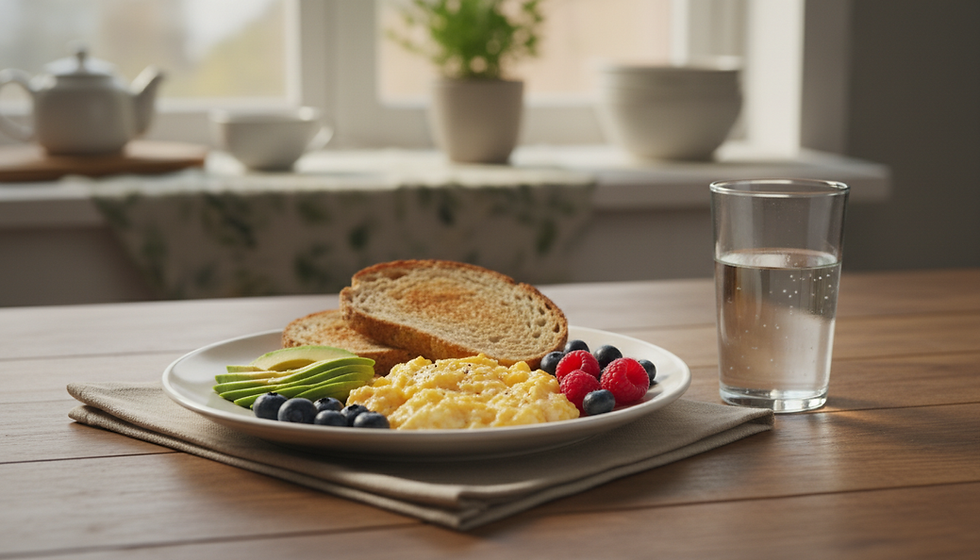
Eggs are one of the most useful foods for seniors with poor appetite because they are small, gentle, and nutrient-rich. Scrambled eggs, egg salad, omelets, and soft-boiled eggs can all work well.
To make eggs more filling without adding much volume, cook them with:
Olive oil or butter
Shredded cheese
Avocado
Soft vegetables
A little cottage cheese mixed into scrambled eggs
Eggs also work at any time of day. A small egg dish for dinner is perfectly fine.
3. Smoothies with protein
When chewing feels tiring or food seems unappealing, a smoothie can be easier than a full meal. It also lets several nourishing ingredients fit into one glass.
A balanced smoothie might include:
Milk, soy milk, or yogurt
Banana, berries, or mango
Peanut butter or almond butter
Ground flaxseed or chia seeds
A scoop of protein powder, if approved by a clinician
Keep the serving modest. A small smoothie between meals can be more realistic than a large one that feels overwhelming.

4. Oatmeal made with milk
Oatmeal is warm, soft, and familiar. Making it with milk instead of water adds protein and calories without increasing the serving size much.
Add cinnamon, mashed banana, raisins, chopped soft fruit, or a swirl of maple syrup. For a richer bowl, mix in nut butter, ground walnuts, or a splash of cream.
If traditional oats feel too heavy, try cream of wheat or another hot cereal. The same add-ins work well.
5. Soup with beans, lentils, or chicken
Soup can be soothing, especially when appetite is low. It also helps with fluid intake, which matters because dehydration can make fatigue and poor appetite worse.
Choose soups with protein, not just broth. Good options include lentil soup, split pea soup, chicken vegetable soup, turkey chili, or minestrone with beans.
For more nutrition in each bowl, add:
Olive oil
Shredded chicken
Soft cooked vegetables
Beans or lentils
Grated cheese
Cooked rice, pasta, or barley
If chewing is hard, blend the soup until smooth.
6. Avocado on toast or in a bowl
Avocado is soft and high in heart-healthy fats, which means it adds calories in a small amount of food. That can be helpful when a senior fills up quickly.
Serve it mashed on toast, tucked into an omelet, blended into a smoothie, or spooned beside soup. Add a pinch of salt, lemon juice, or everything bagel seasoning for flavor.
For a simple snack, mash avocado with cottage cheese or canned salmon.
7. Nut butters on soft foods
Peanut butter, almond butter, and cashew butter are dense sources of calories, fat, and some protein. They are especially useful when only a few bites seem possible.
Spread nut butter on toast, crackers, banana slices, apple slices, pancakes, or waffles. Stir it into oatmeal, yogurt, or smoothies.
For anyone with chewing or swallowing concerns, avoid thick spoonfuls. Thin nut butter with yogurt, milk, or warm water to make it easier to swallow.

8. Cottage cheese or ricotta
Cottage cheese and ricotta are soft, mild, and quick to prepare. They can be sweet or savory, which helps when taste preferences change from day to day.
Try cottage cheese with peaches, pineapple, berries, or applesauce. For a savory option, add black pepper, diced tomato, cucumber, or a drizzle of olive oil.
Ricotta works well on toast, mixed into pasta, or served with honey and fruit. Full-fat versions can be helpful when extra calories are needed.
9. Soft fish like salmon, tuna, or sardines
Fish gives protein and healthy fats in a small serving. Canned salmon, tuna, and sardines are convenient and easy to keep on hand.
Serve fish as a soft salad with mayonnaise or Greek yogurt. Put it on crackers, fold it into scrambled eggs, or mix it into mashed potatoes.
Salmon and sardines also provide omega-3 fats. Choose lower-sodium options when available, especially if sodium intake needs watching.
10. Sweet potatoes with toppings
Sweet potatoes are soft, naturally sweet, and easy to mash. They provide fiber, potassium, and vitamin A in a comforting form.
Bake or microwave a sweet potato, then add toppings that raise the nutrition:
Greek yogurt and cinnamon
Butter and mashed beans
Olive oil and soft cheese
Nut butter and a little honey
Shredded chicken and avocado
This can work as a small meal or a nourishing side dish.

Small changes can make meals easier
When appetite is low, the way food is served matters as much as the food itself. Large portions can discourage eating before the meal begins. Smaller plates, softer textures, and familiar flavors often work better.
A few helpful habits:
Offer five or six mini-meals instead of three large meals.
Add calories with olive oil, butter, cheese, nut butter, or avocado.
Keep easy snacks visible and ready.
Serve drinks between meals if fluids cause early fullness.
Use herbs, lemon, cinnamon, or mild sauces when food tastes bland.
Make mealtimes calm and unhurried.
The best first choice is often a protein-rich smoothie, yogurt bowl, egg dish, or soup. These foods are easy to adjust, gentle on the appetite, and simple to serve in small portions. When each bite carries more nutrition, even a modest meal can support strength, energy, and comfort.


Comments